
What industries were most affected by Brexit?
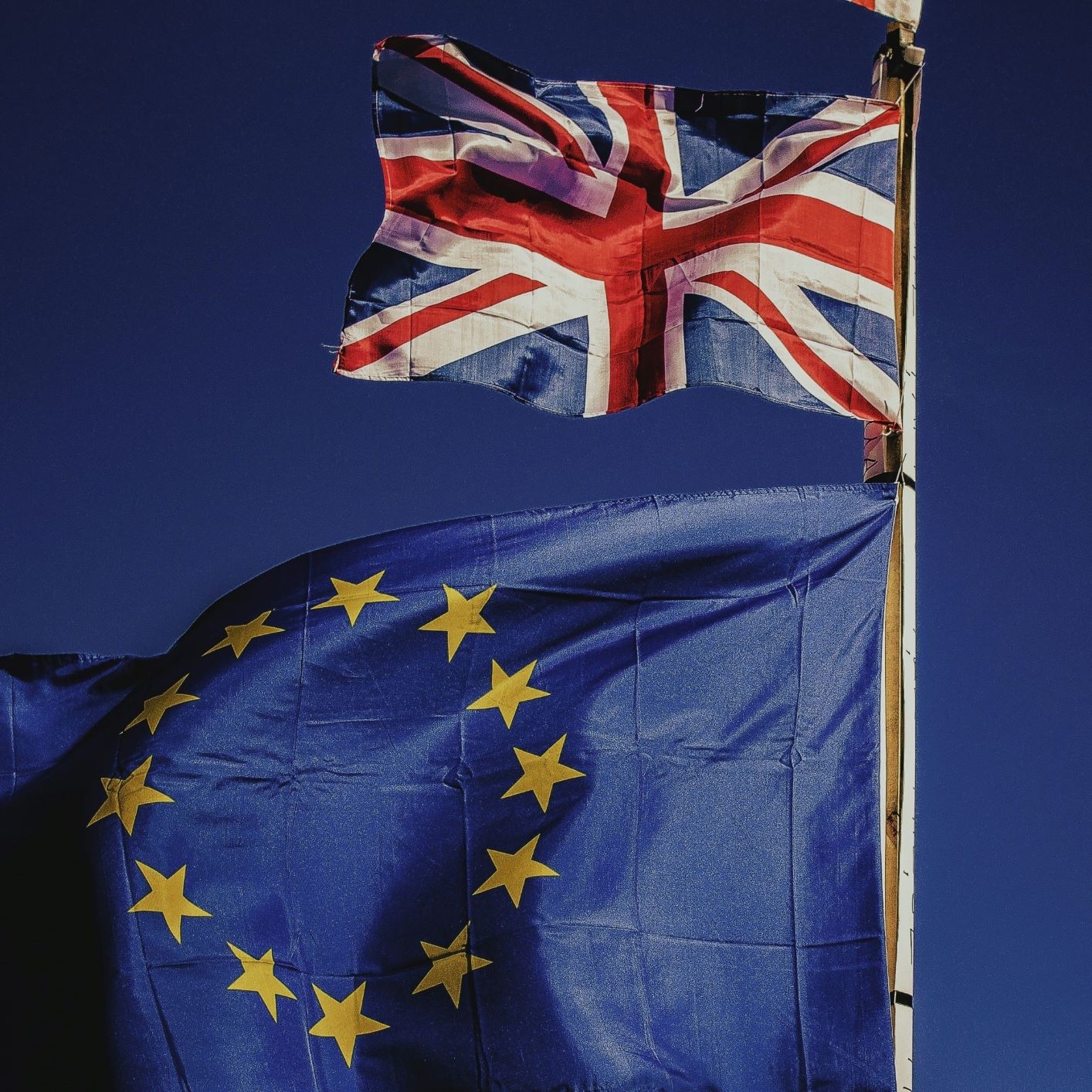
What industries were most affected by Brexit?
Finance, agriculture, fishing, and manufacturing
The United Kingdom’s decision to leave the European Union in 2016, commonly known as Brexit, marked one of the most significant economic and political changes in modern British history. For more than forty years, the UK had been deeply integrated into the EU’s single market, customs arrangements, and regulatory systems. When the transition period ended in 2020, new rules on trade, migration, and regulation began to reshape how businesses operated.
While Brexit affected almost every part of the economy, some industries experienced much stronger and more immediate impacts than others. Among the most affected were finance, agriculture, fishing, and manufacturing. Each of these sectors relied heavily on close ties with the EU, and each faced different challenges as those ties changed.
Finance
The UK’s financial sector, especially in London, was one of the most closely connected to the European Union before Brexit. London acted as a financial hub for Europe, offering banking, insurance, asset management, and trading services to clients across the EU.
Before Brexit, many UK-based financial firms relied on a system known as “passporting”. This allowed them to provide services across EU countries without needing separate licenses in each one. After Brexit, this automatic access ended.
As a result, many financial institutions had to change how they operated. Some banks, investment firms, and insurers moved parts of their operations to EU cities such as Paris, Frankfurt, Dublin, and Amsterdam. These moves were often small in terms of staff numbers, but strategically important, because firms needed a legal and regulatory presence inside the EU to continue serving European clients.
Another challenge for the finance industry has been regulatory uncertainty. The UK is now free to set its own financial regulations, but this also means it must carefully manage how different its rules become from those of the EU. If UK regulations move too far away from EU standards, it may become harder for UK firms to gain market access in the future.
At the same time, Brexit has also created opportunities. The UK government has promoted the idea of a more flexible and globally focused financial system, designed to compete internationally. However, most analysts agree that Brexit reduced the automatic advantage the UK previously had as Europe’s main financial gateway.
Overall, finance remains a strong industry in the UK, but Brexit has weakened its position as the default financial centre for the entire European market.
Agriculture
Agriculture has been one of the most visibly affected sectors because it depends heavily on trade, labour, and public support systems.
Before Brexit, UK farmers were part of the EU’s Common Agricultural Policy (CAP). This system provided subsidies and funding that supported farm incomes and rural development. After leaving the EU, the UK began replacing these payments with its own national schemes. While the new system aims to focus more on environmental protection and sustainability, many farmers have faced uncertainty during the transition.
Trade has also become more complicated. The EU is one of the UK’s largest markets for food and agricultural products. New customs checks, paperwork, and border inspections have increased costs and delays, particularly for fresh and perishable goods such as meat, dairy, and vegetables. Even small delays at the border can reduce the value of these products and disrupt supply chains.
Another major issue for agriculture is labour. Many farms and food-processing businesses previously relied on seasonal workers from the EU, especially for fruit and vegetable harvesting. After Brexit, freedom of movement ended, and employers now need to use visa schemes to recruit overseas workers. Although new visa routes exist, many farmers report that labour shortages remain a serious problem.
As a result, some producers have reduced the amount they grow, switched to less labour-intensive crops, or struggled to meet contracts. For smaller farms in particular, the combination of changing subsidies, labour shortages, and trade barriers has created significant pressure.
Fishing
Fishing played a powerful symbolic role in the Brexit debate, even though it represents a relatively small share of the UK economy. Many fishing communities supported Brexit in the hope that leaving the EU would give the UK greater control over its waters and fish stocks.
In legal terms, the UK did regain control over its fishing zone. However, the reality for the fishing industry has been more complex and, in some cases, disappointing.
Under the Brexit trade agreement, EU fishing vessels still have access to many UK waters for several years, and changes to quota shares have been limited. This meant that the immediate increase in fishing opportunities for UK vessels was smaller than some in the industry had expected.
At the same time, exporting fish and seafood to the EU became much harder. The EU is the main market for many types of British-caught fish and shellfish. After Brexit, exporters had to deal with new health certificates, customs documents, and inspections. For products such as live shellfish and fresh fish, delays at the border caused serious problems, including lost sales and wasted catch.
For some small fishing businesses and exporters, these new barriers have been extremely damaging. Although the UK government introduced support schemes and compensation, many in the industry argue that the long-term trade difficulties now matter more than access to fishing waters.
Fishing therefore shows a clear contrast between political expectations and economic outcomes. While sovereignty over waters increased, market access became more difficult.
Manufacturing
Manufacturing is one of the sectors most exposed to changes in trade rules because it relies on complex supply chains that often cross borders many times during the production process.
Before Brexit, manufacturers could move components and finished products between the UK and EU countries without customs checks or tariffs. After Brexit, even though the UK and EU agreed on zero tariffs for many goods, companies still face new paperwork, rules-of-origin requirements, and regulatory checks.
For industries such as automotive, aerospace, chemicals, and machinery, these changes have increased costs and administrative work. Delays at borders can interrupt “just-in-time” production systems, where factories depend on frequent and precise deliveries of parts.
The automotive industry has been especially affected. Car manufacturing in the UK relies heavily on parts imported from the EU, and most finished vehicles are exported back to European markets. To qualify for tariff-free trade, manufacturers must prove that a sufficient proportion of each vehicle is made within the UK or EU. Meeting these requirements has been challenging, particularly for electric vehicles and advanced components.
In addition to trade barriers, manufacturing has also been affected by changes in the availability of skilled workers. Some firms previously recruited engineers, technicians, and factory workers from the EU. New immigration rules have made this more difficult, especially for smaller companies without large human resources departments.
Brexit has also influenced long-term investment decisions. Some international companies have reconsidered whether the UK remains the best location for new factories intended to serve the European market. While the UK still offers many advantages, including strong research and development capabilities, the loss of frictionless access to the EU has reduced its attractiveness for certain types of manufacturing investment.
Conclusion
Brexit has reshaped the UK economy in lasting ways, and its effects continue to develop. Among the industries most affected, finance, agriculture, fishing, and manufacturing stand out because of their strong reliance on EU markets, regulations, and labour.
The financial sector lost its automatic access to European customers and has had to reorganise parts of its business. Agriculture has faced changing subsidy systems, labour shortages, and new trade barriers for food exports. Fishing gained greater national control over waters but encountered serious difficulties in exporting to its main market. Manufacturing has had to adjust to new border processes, supply chain disruptions, and challenges in attracting investment and skilled workers.
Although some opportunities have emerged, especially in regulation and global trade strategies, the overall impact of Brexit on these industries has been disruptive rather than immediately beneficial. For many businesses, the main challenge has been adapting to a more complex trading environment and finding new ways to remain competitive in a post-Brexit economy.
- Arts
- Business
- Computers
- Jogos
- Health
- Início
- Kids and Teens
- Money
- News
- Personal Development
- Recreation
- Regional
- Reference
- Science
- Shopping
- Society
- Sports
- Бизнес
- Деньги
- Дом
- Досуг
- Здоровье
- Игры
- Искусство
- Источники информации
- Компьютеры
- Личное развитие
- Наука
- Новости и СМИ
- Общество
- Покупки
- Спорт
- Страны и регионы
- World

 English
 Russian
 French
 Spanish
 Deutsch
 Turkish
 Dutch
Dutch
 Italiano
 Arabic
 Romaian
 Portuguese (Brazil)
 Greek
Greek
