
What Is Knowledge Process Outsourcing (KPO)?
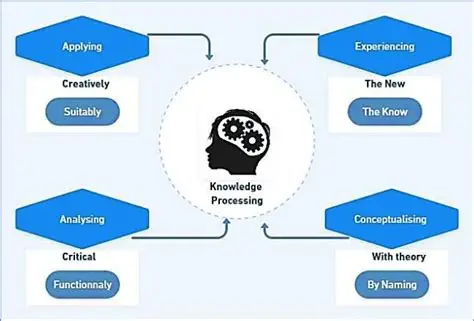
Knowledge Process Outsourcing (KPO) represents one of the most advanced and specialized forms of outsourcing. Unlike traditional outsourcing, which focuses on routine or repetitive tasks, KPO involves outsourcing high-level, knowledge-intensive work that requires expertise, analytical skills, and domain-specific understanding.
As businesses increasingly rely on data, insights, and innovation to stay competitive, KPO has emerged as a powerful strategy for accessing specialized talent and enhancing decision-making capabilities. From financial analysis and legal research to market intelligence and data science, KPO enables companies to tap into global expertise without building costly in-house teams.
In this in-depth article, we’ll explore what KPO is, how it works, its key characteristics, industries, benefits, challenges, and why it is becoming a critical component of modern business strategy.
What Is Knowledge Process Outsourcing (KPO)?
Knowledge Process Outsourcing (KPO) is the practice of outsourcing complex, knowledge-based tasks to external professionals or organizations with specialized expertise.
These Tasks Typically Involve:
- Advanced data analysis
- Research and development
- Financial and investment analysis
- Legal services
- Market research
Unlike Business Process Outsourcing (BPO), which focuses on standardized processes, KPO requires higher levels of education, experience, and critical thinking.
Key Characteristics of KPO
KPO is distinct from other forms of outsourcing due to several defining features.
1. High Skill Requirements
KPO tasks require professionals with advanced degrees or specialized training.
2. Knowledge-Driven Work
The focus is on insights, analysis, and decision support rather than routine execution.
3. Value Creation
KPO contributes directly to strategic decision-making and business growth.
4. Customization
Services are tailored to specific business needs.
5. Intellectual Involvement
Work often involves problem-solving, innovation, and expertise.
How KPO Works
KPO follows a structured outsourcing process similar to other outsourcing models but with greater emphasis on expertise and quality.
Steps:
- Identify knowledge-intensive tasks
- Select a specialized KPO provider
- Define scope and objectives
- Establish SLAs and quality standards
- Transition knowledge and processes
- Monitor performance and outcomes
Because of the complexity involved, the transition phase in KPO is often more detailed and time-consuming.
Types of KPO Services
KPO spans a wide range of industries and functions.
1. Financial Services KPO
Includes:
- Investment research
- Risk analysis
- Financial modeling
Used by banks, investment firms, and financial institutions.
2. Legal Process Outsourcing (LPO)
Includes:
- Legal research
- Contract drafting
- Compliance analysis
Helps law firms and corporations reduce costs.
3. Market Research KPO
Includes:
- Consumer insights
- Competitive analysis
- Industry research
Supports strategic planning and decision-making.
4. Data Analytics and Data Science
Includes:
- Big data analysis
- Predictive modeling
- Business intelligence
Critical for data-driven organizations.
5. Healthcare KPO
Includes:
- Medical research
- Clinical data analysis
- Healthcare analytics
Used by hospitals, pharma companies, and research institutions.
6. Engineering and Design
Includes:
- Product design
- CAD modeling
- Technical analysis
Common in manufacturing and technology sectors.
KPO vs. BPO vs. IT Outsourcing
Understanding how KPO differs from other outsourcing types is important.
KPO:
- Knowledge-based tasks
- High expertise
- Strategic value
BPO:
- Process-driven tasks
- Routine operations
- Operational efficiency
IT Outsourcing:
- Technology services
- Infrastructure and development
KPO sits at the top of the value chain, focusing on intelligence and innovation.
Benefits of KPO
KPO offers significant advantages for businesses.
1. Access to Specialized Expertise
Companies can tap into global talent with advanced skills and knowledge.
2. Cost Efficiency
Hiring experts in-house can be expensive. KPO provides access to expertise at a lower cost.
3. Improved Decision-Making
High-quality analysis and insights support better strategic decisions.
4. Focus on Core Competencies
Businesses can focus on their primary activities while outsourcing complex tasks.
5. Scalability
KPO services can be scaled based on project needs.
6. Faster Turnaround
Experienced professionals can deliver results more efficiently.
Challenges of KPO
Despite its benefits, KPO comes with challenges.
1. Data Security Risks
Sensitive information must be protected.
2. Quality Control
Maintaining high standards requires strong oversight.
3. Communication Barriers
Complex tasks require clear communication.
4. Dependency on Providers
Over-reliance can create long-term risks.
5. High Initial Setup Effort
Knowledge transfer can be time-consuming.
Industries That Use KPO
KPO is widely used across various industries.
Key Industries:
- Finance and banking
- Healthcare and pharmaceuticals
- Legal services
- Technology
- Consulting
These industries rely heavily on expertise and analysis.
When Should Companies Use KPO?
KPO is suitable when:
- Tasks require specialized knowledge
- Internal expertise is limited
- High-quality analysis is needed
- Cost efficiency is important
- Strategic insights are required
It is not ideal for routine or low-skill tasks.
Best Practices for KPO
To succeed with KPO, businesses should follow best practices.
1. Choose the Right Partner
Select providers with proven expertise.
2. Define Clear Objectives
Set clear goals and expectations.
3. Ensure Data Security
Implement strong security measures.
4. Maintain Communication
Ensure regular interaction and feedback.
5. Monitor Performance
Use KPIs to track results.
Role of Technology in KPO
Technology plays a major role in enabling KPO.
Key Technologies:
- Artificial Intelligence (AI)
- Machine Learning
- Big Data Analytics
- Cloud Computing
These tools enhance efficiency and accuracy.
Future Trends in KPO
KPO is evolving rapidly.
Trends:
- Increased use of AI and automation
- Growth in data-driven services
- Expansion into new industries
- Higher demand for specialized skills
KPO is expected to grow as businesses seek more advanced capabilities.
KPO as a Strategic Advantage
KPO is not just a cost-saving tool—it is a strategic asset.
It Helps Businesses:
- Gain competitive insights
- Innovate faster
- Make informed decisions
- Improve efficiency
Companies that leverage KPO effectively can gain a significant competitive edge.
Risks and How to Mitigate Them
Risks:
- Data breaches
- Miscommunication
- Quality issues
Mitigation Strategies:
- Strong contracts and SLAs
- Regular audits
- Clear communication channels
Proactive management reduces risks.
Conclusion
Knowledge Process Outsourcing (KPO) is a powerful and advanced form of outsourcing that focuses on high-value, knowledge-driven tasks. By leveraging external expertise, businesses can access specialized skills, improve decision-making, and stay competitive in a knowledge-based economy.
While KPO offers significant benefits, it also requires careful planning, strong partnerships, and effective management. Companies must ensure data security, maintain quality standards, and align outsourcing efforts with their strategic goals.
Ultimately, KPO is more than just outsourcing—it is a way to enhance intelligence, innovation, and long-term business success. As industries continue to evolve, KPO will play an increasingly important role in shaping the future of global business.
- Arts
- Business
- Computers
- Games
- Health
- Home
- Kids and Teens
- Money
- News
- Personal Development
- Recreation
- Regional
- Reference
- Science
- Shopping
- Society
- Sports
- Бизнес
- Деньги
- Дом
- Досуг
- Здоровье
- Игры
- Искусство
- Источники информации
- Компьютеры
- Личное развитие
- Наука
- Новости и СМИ
- Общество
- Покупки
- Спорт
- Страны и регионы
- World

 Russian
 French
 Spanish
 Portuguese
 Deutsch
 Turkish
 Dutch
Dutch
 Italiano
 Arabic
 Romaian
 Portuguese (Brazil)
 Greek
Greek