
What Is Digital Personnel Management?
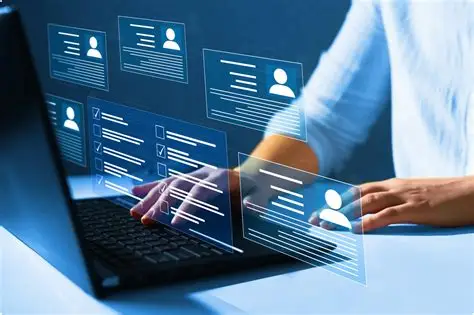
In today’s fast-paced, technology-driven world, organizations are rapidly shifting from traditional methods of managing employees to more advanced, digital approaches. This transformation has given rise to what is known as digital personnel management—a modern framework that integrates technology into every aspect of workforce management.
Digital personnel management is not just about replacing paper with software; it represents a fundamental shift in how organizations interact with, support, and develop their employees. By leveraging digital tools, data analytics, and automation, companies can create more efficient, flexible, and employee-centric workplaces.
Defining Digital Personnel Management
Digital personnel management refers to the use of digital technologies to manage human resources processes, including recruitment, onboarding, performance management, training, and employee engagement.
It combines traditional personnel management principles with modern tools such as:
- Human Resource Information Systems (HRIS)
- Artificial intelligence (AI)
- Cloud-based platforms
- Data analytics tools
- Mobile applications
The goal is to streamline processes, improve decision-making, and enhance the overall employee experience.
The Shift from Traditional to Digital
Traditional personnel management relied heavily on manual processes, physical documentation, and face-to-face interactions. While effective in the past, these methods are often slow, inefficient, and prone to errors.
Digital personnel management transforms these processes by:
- Automating repetitive tasks
- Centralizing employee data
- Enabling real-time access to information
- Supporting remote and flexible work
This shift allows personnel managers to focus more on strategic initiatives rather than administrative duties.
Core Components of Digital Personnel Management
Digital personnel management encompasses several key components that work together to create a cohesive system.
1. Digital Recruitment and Talent Acquisition
Recruitment has become more efficient and data-driven through digital tools. Organizations use online platforms and AI-powered systems to identify and attract the best candidates.
Features include:
- Automated resume screening
- Online job postings
- Virtual interviews
- Candidate tracking systems
These tools reduce hiring time and improve the quality of hires.
2. Digital Onboarding
Onboarding is no longer limited to in-person sessions and paperwork. Digital onboarding platforms provide new employees with a seamless introduction to the organization.
This includes:
- Online training modules
- Digital documentation
- Virtual orientation sessions
A well-designed digital onboarding process helps employees integrate quickly and effectively.
3. Employee Data Management
Centralized digital systems store and manage employee information securely. This includes:
- Personal details
- Employment history
- Performance records
- Benefits information
Having all data in one place improves accuracy, accessibility, and decision-making.
4. Performance Management Systems
Digital tools enable continuous performance tracking and feedback. Instead of relying on annual reviews, organizations can monitor progress in real time.
Key features include:
- Goal setting and tracking
- Real-time feedback
- Performance analytics
- 360-degree reviews
These systems help employees stay aligned with organizational goals.
5. Learning and Development Platforms
Digital learning platforms provide employees with access to training resources anytime, anywhere.
Examples include:
- E-learning courses
- Webinars and virtual workshops
- Skill development programs
- Personalized learning paths
This supports continuous learning and career growth.
6. Employee Engagement Tools
Engagement is critical for productivity and retention. Digital platforms help organizations connect with employees and gather feedback.
Tools may include:
- Pulse surveys
- Recognition systems
- Internal communication apps
- Collaboration platforms
These tools foster a sense of connection and belonging.
The Role of Artificial Intelligence
Artificial intelligence (AI) is a key driver of digital personnel management. AI can analyze large amounts of data and provide insights that improve decision-making.
Applications of AI include:
- Predicting employee turnover
- Identifying high-performing employees
- Personalizing training programs
- ავტომating administrative tasks
AI helps organizations become more proactive and strategic in managing their workforce.
Cloud-Based HR Systems
Cloud computing has made digital personnel management more accessible and scalable. Cloud-based HR systems allow organizations to store and access data from anywhere.
Benefits include:
- Remote accessibility
- Real-time updates
- Cost efficiency
- Scalability
These systems are especially important for organizations with remote or global teams.
Enhancing Employee Experience
One of the primary goals of digital personnel management is to improve the employee experience. Digital tools make it easier for employees to access information, communicate, and perform their tasks.
For example:
- Self-service portals allow employees to manage their own data
- Mobile apps provide access to HR services on the go
- Digital communication tools facilitate collaboration
A positive employee experience leads to higher engagement and satisfaction.
Supporting Remote and Hybrid Work
Digital personnel management is essential for supporting remote and hybrid work models. Technology enables employees to work effectively from different locations.
Key tools include:
- Video conferencing platforms
- Project management software
- Cloud-based collaboration tools
These technologies ensure that teams remain connected and productive, regardless of location.
Data-Driven Decision Making
Digital personnel management relies heavily on data analytics. Organizations can use data to make informed decisions about their workforce.
This includes:
- Identifying trends in employee performance
- Measuring engagement levels
- Analyzing turnover rates
- Planning workforce strategies
Data-driven insights help organizations optimize their HR practices and achieve better outcomes.
Challenges of Digital Personnel Management
While digital transformation offers many benefits, it also presents challenges that organizations must address.
Common challenges include:
- Data privacy and security concerns
- High implementation costs
- Resistance to change
- Need for continuous training
Organizations must carefully plan and manage their digital transformation to overcome these challenges.
Balancing Technology and Human Interaction
Despite the advantages of digital tools, human interaction remains a critical aspect of personnel management. Employees still need personal support, empathy, and communication.
Digital personnel management should complement—not replace—the human element. The most successful organizations strike a balance between technology and personal connection.
The Strategic Importance of Digital Personnel Management
Digital personnel management is not just a technological upgrade—it is a strategic necessity. Organizations that embrace digital transformation can:
- Improve efficiency and productivity
- Enhance employee satisfaction
- Make better decisions
- Stay competitive in the market
It allows personnel management to play a more proactive and impactful role in achieving organizational goals.
The Future of Digital Personnel Management
As technology continues to evolve, digital personnel management will become even more advanced. Emerging trends include:
- Increased use of AI and machine learning
- Greater focus on employee well-being
- Integration of advanced analytics
- Expansion of remote work capabilities
Organizations must stay ahead of these trends to remain competitive and effective.
Conclusion
Digital personnel management represents a significant shift in how organizations manage their workforce. By integrating technology into HR processes, companies can create more efficient, flexible, and employee-focused environments.
While challenges exist, the benefits of digital transformation far outweigh the drawbacks. Organizations that successfully implement digital personnel management can improve performance, enhance employee experiences, and achieve long-term success.
Ultimately, digital personnel management is about using technology to empower both employees and organizations. It is the future of workforce management, and its importance will only continue to grow in the years ahead.
- Arts
- Business
- Computers
- Jocuri
- Health
- Home
- Kids and Teens
- Money
- News
- Personal Development
- Recreation
- Regional
- Reference
- Science
- Shopping
- Society
- Sports
- Бизнес
- Деньги
- Дом
- Досуг
- Здоровье
- Игры
- Искусство
- Источники информации
- Компьютеры
- Личное развитие
- Наука
- Новости и СМИ
- Общество
- Покупки
- Спорт
- Страны и регионы
- World

 English
 Russian
 French
 Spanish
 Portuguese
 Deutsch
 Turkish
 Dutch
Dutch
 Italiano
 Arabic
 Portuguese (Brazil)
 Greek
Greek