
How to stop procrastinating?
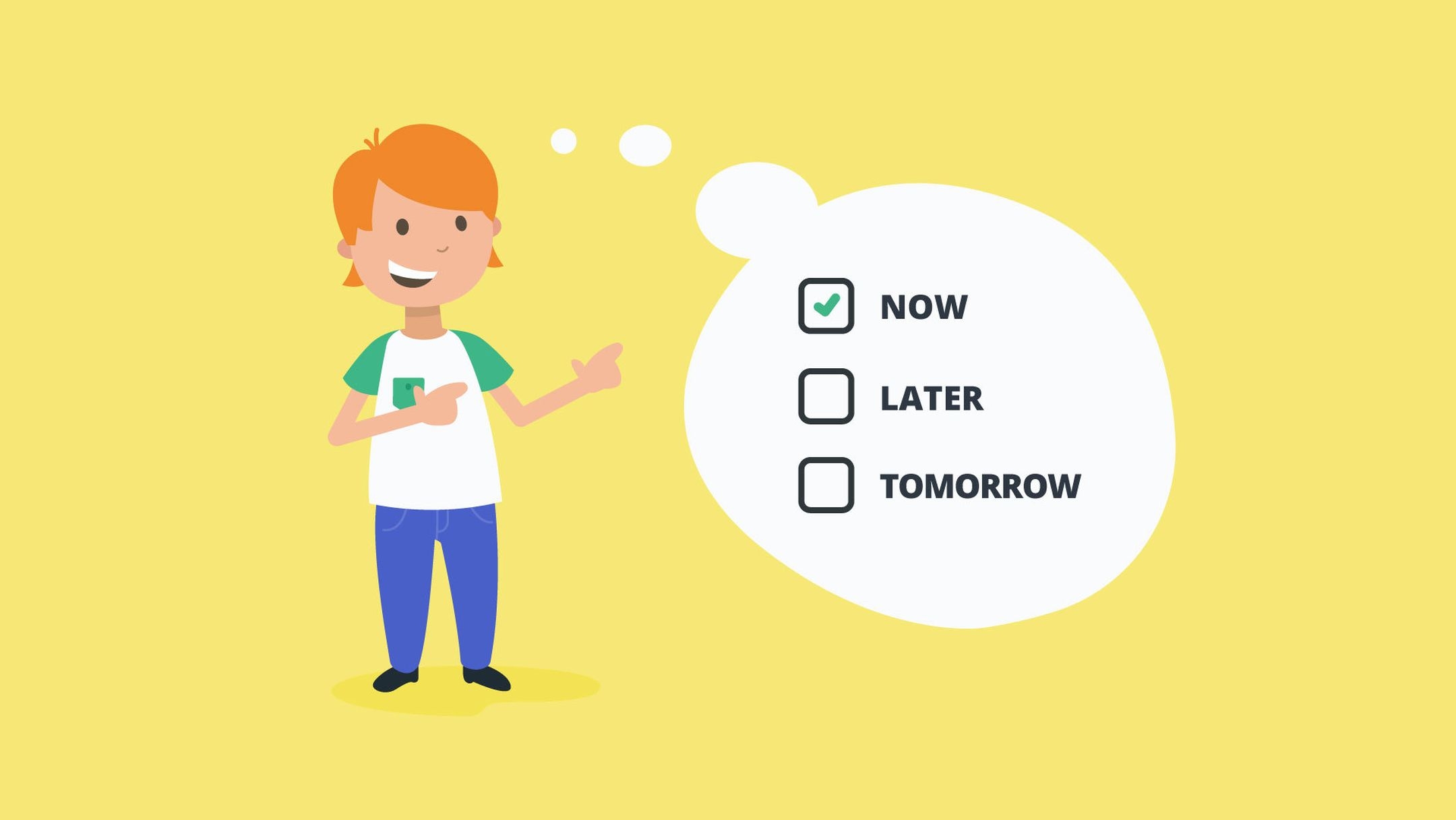
How to Stop Procrastinating
Procrastination is not simply a failure of discipline—it is a complex behavioral pattern driven by emotion, cognition, and environment. Because of this, overcoming procrastination is not about “trying harder.” It requires understanding why you procrastinate and then applying targeted strategies that reduce resistance, increase clarity, and make action easier than avoidance.
This article provides a comprehensive, systems-level approach to stopping procrastination. It moves beyond generic advice and focuses on mechanisms that actually change behavior.
1. Understand the Real Problem: It’s Not Laziness
Before applying solutions, you need to correct a common misconception.
Procrastination is typically caused by:
-
Emotional discomfort (anxiety, boredom, overwhelm)
-
Task ambiguity or complexity
-
Low perceived reward
-
Fear of failure or imperfection
This means procrastination is fundamentally a regulation problem, not a motivation problem.
If you treat it like laziness, you’ll rely on willpower—which is unreliable. If you treat it like a systems issue, you can design solutions that work consistently.
2. Reduce Emotional Resistance First
You cannot consistently act on tasks that feel psychologically threatening.
The goal is not to eliminate discomfort (that’s unrealistic), but to reduce it enough that action becomes possible.
Identify the Emotion
Ask:
-
“What am I avoiding feeling right now?”
Common answers:
-
Anxiety → fear of doing it wrong
-
Overwhelm → too many moving parts
-
Boredom → low stimulation
-
Self-doubt → low confidence
Once identified, you can target the cause instead of avoiding the task blindly.
Lower the Stakes
Many tasks feel harder because they are mentally framed as high-risk.
Instead of:
-
“This has to be perfect”
Reframe to:
-
“This is a first draft”
-
“This is just a start”
Lowering perceived stakes reduces avoidance.
3. Make Starting Easier Than Avoiding
The hardest part of any task is starting. Your strategy should focus on minimizing activation energy.
Use the “2-Minute Rule”
Commit to doing the task for just two minutes.
This works because:
-
It bypasses resistance
-
It reduces psychological pressure
-
It builds momentum
Once you start, continuing becomes significantly easier.
Define the First Action Clearly
Vague tasks create friction.
Instead of:
-
“Work on project”
Define:
-
“Open document and write one sentence”
Clarity removes hesitation.
4. Break Tasks Into Executable Units
Large tasks trigger overwhelm because they lack clear structure.
Break them down into:
-
Small
-
Specific
-
Actionable steps
For example:
Instead of:
-
“Write essay”
Use:
-
Open document
-
Write outline
-
Draft introduction
-
Expand first section
Each step should feel manageable on its own.
5. Use Time Constraints Strategically
Unlimited time encourages delay.
Introduce constraints:
-
Set a timer (e.g., 25 minutes)
-
Work within defined blocks
-
Take short breaks between sessions
This creates urgency without overwhelming pressure.
6. Remove Friction From Your Environment
Your environment heavily influences your behavior.
Reduce Distractions
-
Silence notifications
-
Close irrelevant tabs
-
Use website blockers if needed
Optimize Accessibility
-
Keep tools ready
-
Reduce setup time
-
Make starting frictionless
If distractions are easier than work, procrastination will win.
7. Leverage Dopamine Intelligently
Your brain prioritizes activities that feel rewarding.
You can use this to your advantage.
Pair Tasks With Rewards
-
Listen to music while working
-
Reward completion with something enjoyable
-
Use progress tracking
Create Immediate Feedback
-
Check off completed steps
-
Track visible progress
This makes effort feel more satisfying.
8. Stop Waiting for Motivation
Motivation is inconsistent and unreliable.
Instead:
-
Focus on systems and habits
-
Start before you feel ready
Action often creates motivation—not the other way around.
9. Address Perfectionism Directly
Perfectionism is a major driver of procrastination.
Set “Good Enough” Standards
Define what completion looks like:
-
“This is done when it meets X criteria”
Separate Drafting From Editing
-
First pass → focus on output
-
Second pass → refine
This prevents paralysis at the start.
10. Build Momentum Through Small Wins
Progress reduces resistance.
Start with:
-
Easy tasks
-
Low-effort actions
Each completed step:
-
Builds confidence
-
Reduces psychological weight
-
Makes the next step easier
Momentum is one of the most powerful anti-procrastination tools.
11. Use Implementation Intentions
Pre-decide your actions using “if–then” planning.
Examples:
-
“If it’s 9 AM, I start working”
-
“If I feel distracted, I return to the first step”
This reduces decision-making in the moment.
12. Manage Your Energy, Not Just Time
Procrastination increases when energy is low.
Optimize:
-
Sleep
-
Nutrition
-
Breaks
Schedule demanding tasks during peak energy periods.
Low energy makes even simple tasks feel difficult.
13. Accept Discomfort as Part of the Process
One of the biggest barriers is the expectation that work should feel good.
In reality:
-
Many meaningful tasks feel uncomfortable
-
Waiting for comfort leads to delay
A more effective mindset:
-
“I can act even if this feels uncomfortable”
This builds emotional tolerance.
14. Limit Overthinking
Overthinking creates delay without progress.
When you notice:
-
Excessive planning
-
Repeated analysis
Shift to action:
-
Do the smallest possible step
Action resolves uncertainty faster than thinking.
15. Create External Accountability
Accountability increases follow-through.
Options include:
-
Working with others
-
Sharing deadlines
-
Using public commitments
External pressure can compensate for internal inconsistency.
16. Reframe Your Identity
Your self-perception influences behavior.
Instead of:
-
“I’m a procrastinator”
Adopt:
-
“I’m someone learning to act consistently”
Identity shapes action patterns over time.
17. Use Deadlines Effectively
Deadlines can motivate action—but only if used correctly.
Avoid:
-
Extremely distant deadlines
-
Vague timelines
Use:
-
Short, frequent deadlines
-
Milestones
This maintains consistent pressure without overload.
18. Track and Reflect
Awareness improves control.
Track:
-
When you procrastinate
-
What you feel
-
What triggers avoidance
Look for patterns:
-
Specific tasks
-
Emotional states
-
Environmental factors
Then adjust your approach accordingly.
19. Break the Guilt Cycle
Guilt often worsens procrastination.
Instead of:
-
“I wasted time again”
Focus on:
-
“What is the next action I can take?”
Shift from judgment to action.
20. Build Systems, Not Just Motivation
Long-term success depends on systems.
A system includes:
-
Clear tasks
-
Defined schedules
-
Structured environment
-
Feedback loops
Motivation fluctuates—systems persist.
21. When Procrastination Is Persistent
If procrastination is:
-
Chronic
-
Severe
-
Interfering with daily life
It may be linked to:
-
Anxiety
-
Depression
-
Attention difficulties
In such cases, addressing underlying issues is critical.
Putting It All Together
Stopping procrastination is not about a single technique—it’s about aligning multiple factors:
-
Reduce emotional resistance
-
Increase task clarity
-
Lower activation energy
-
Optimize environment
-
Build consistent systems
When these elements are in place, action becomes easier and more automatic.
Conclusion
Procrastination is not a sign of laziness or lack of ambition. It is a predictable response to discomfort, uncertainty, and competing rewards.
Trying to eliminate procrastination through willpower alone is ineffective because it ignores the underlying mechanisms.
A more effective approach is to:
-
Reduce friction
-
Lower emotional barriers
-
Create structure
-
Build momentum
The goal is not to force yourself to work harder—it is to make working the path of least resistance.
Once action becomes easier than avoidance, procrastination naturally decreases.
- Arts
- Business
- Computers
- Spiele
- Health
- Startseite
- Kids and Teens
- Geld
- News
- Personal Development
- Recreation
- Regional
- Reference
- Science
- Shopping
- Society
- Sports
- Бизнес
- Деньги
- Дом
- Досуг
- Здоровье
- Игры
- Искусство
- Источники информации
- Компьютеры
- Личное развитие
- Наука
- Новости и СМИ
- Общество
- Покупки
- Спорт
- Страны и регионы
- World

 English
 Russian
 French
 Spanish
 Portuguese
 Turkish
 Dutch
Dutch
 Italiano
 Arabic
 Romaian
 Portuguese (Brazil)
 Greek
Greek