
How to Buy a Franchise
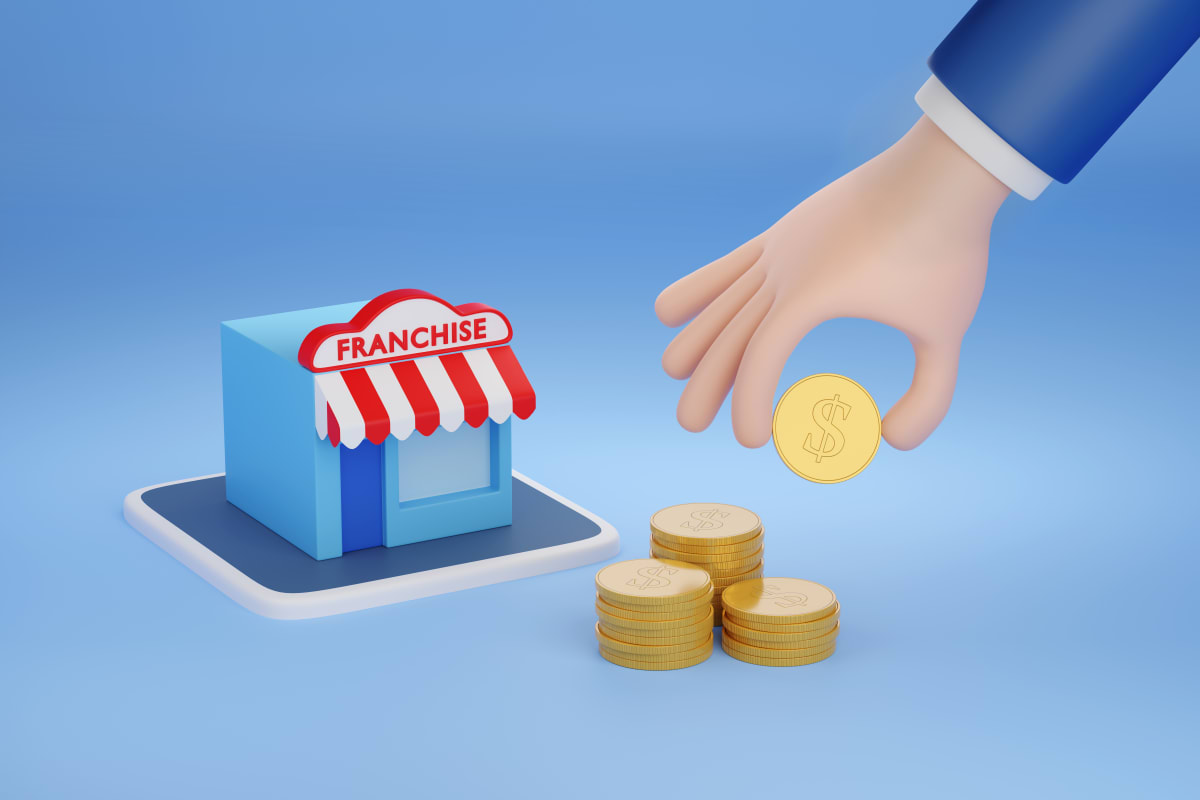
The first mistake people make when buying a franchise is assuming they're buying a business.
They're not.
At least, not in the traditional sense.
When entrepreneurs purchase an independent company, they acquire assets, customers, systems, and history. When they buy a franchise, they're purchasing something more nuanced: the right to participate in a system someone else has already built.
That distinction seems subtle.
Financially, it is enormous.
Every year, thousands of aspiring business owners enter the franchise market searching for certainty. They want proven systems, recognizable brands, and a roadmap that removes some of the guesswork associated with entrepreneurship.
What they discover instead is a marketplace filled with choices, promises, numbers, disclosures, projections, and competing narratives.
The process can feel overwhelming.
It doesn't have to be.
Buying a franchise isn't about finding the most famous brand or the lowest startup cost. It's about identifying the right opportunity, conducting rigorous due diligence, and understanding exactly what you're purchasing before signing an agreement that may shape the next decade of your professional life.
The franchise itself matters.
The buying process matters even more.
Why People Buy Franchises
Entrepreneurship has always involved uncertainty.
Franchising attempts to reduce some of it.
Instead of creating a business model from scratch, franchise owners gain access to:
- Established branding
- Proven operational systems
- Training programs
- Marketing support
- Supplier relationships
- Ongoing guidance
- Business processes refined over time
For many entrepreneurs, that support structure feels attractive.
And understandably so.
Building a company without a roadmap requires constant experimentation. Franchising offers a framework that has, ideally, already survived those experiments.
The appeal isn't freedom from risk.
It's a different type of risk.
Before You Buy: Ask Yourself the Hard Questions
The franchise search should begin with self-assessment rather than brand research.
This is where many prospective buyers go wrong.
They become fascinated by logos before understanding their own goals.
A better approach starts internally.
What Kind of Business Owner Are You?
Franchise systems require consistency.
Processes matter.
Standards matter.
Rules matter.
Some entrepreneurs thrive within that structure.
Others find it restrictive.
Neither perspective is wrong.
But misalignment creates frustration.
Ask yourself:
- Do I enjoy following established systems?
- Am I comfortable operating within brand guidelines?
- Do I want independence or support?
- Am I prepared to manage people?
- Can I tolerate financial risk?
Honest answers often narrow the field significantly.
Step 1: Define Your Budget
Franchise ownership begins with capital.
Not ambition.
Capital.
A franchise opportunity may appear affordable until the full investment requirements become clear.
This is why experienced buyers focus on total investment rather than franchise fees alone.
Common Franchise Costs
The complete investment may include:
- Franchise fee
- Real estate expenses
- Construction costs
- Equipment purchases
- Inventory
- Insurance
- Technology systems
- Licensing fees
- Working capital
The difference between franchise fees and total investment frequently surprises first-time buyers.
A $35,000 franchise fee can easily accompany a $300,000 overall startup requirement.
Numbers deserve context.
Always.
Comparing Franchise Investment Levels
| Franchise Category | Typical Startup Investment | Operational Complexity | Capital Intensity |
|---|---|---|---|
| Commercial Cleaning | $10,000–$50,000 | Low | Low |
| Home Services | $20,000–$100,000 | Moderate | Low to Moderate |
| Tutoring Services | $30,000–$150,000 | Moderate | Moderate |
| Senior Care | $50,000–$250,000 | Moderate | Moderate |
| Fitness Studios | $100,000–$500,000+ | High | High |
| Retail Franchises | $100,000–$750,000+ | Moderate to High | High |
| Fast Casual Restaurants | $250,000–$1 Million+ | High | Very High |
| Hospitality Franchises | $500,000–Several Million | Very High | Extremely High |
The objective isn't finding the lowest number.
It's identifying an investment level that aligns with your financial reality.
Step 2: Choose an Industry Before Choosing a Brand
Brand recognition can be intoxicating.
That makes it dangerous.
Many buyers begin with famous franchise names and only later consider industry fundamentals.
The sequence should be reversed.
Start with the market.
Then evaluate the brands operating within it.
Questions Worth Asking
Is demand growing?
How resilient is the industry?
What are the profit margins?
What operational challenges exist?
How sensitive is the business to economic shifts?
A strong industry often creates opportunities for multiple franchise brands.
A weak industry creates challenges for nearly all of them.
Step 3: Research Franchise Brands Thoroughly
Once you've identified promising industries, attention shifts to specific franchise systems.
This phase requires patience.
And skepticism.
Marketing presentations exist to generate enthusiasm.
Due diligence exists to test it.
Evaluate Key Metrics
Pay close attention to:
- Number of franchise locations
- Annual growth rates
- Franchisee retention
- Training programs
- Support infrastructure
- Brand reputation
- Territory availability
Numbers tell stories.
Sometimes very different stories from the ones presented during sales conversations.
Step 4: Review the Franchise Disclosure Document
If there is a single document capable of transforming a franchise decision, it is the Franchise Disclosure Document (FDD).
Many buyers underestimate its importance.
That is a mistake.
The FDD provides detailed information regarding:
- Franchise fees
- Royalty structures
- Litigation history
- Bankruptcy disclosures
- Franchisee turnover
- Financial obligations
- Territory rights
- Earnings representations
The document exists to inform.
Use it.
Carefully.
What Experienced Buyers Look For
Patterns.
Particularly negative ones.
High closure rates.
Frequent litigation.
Significant franchisee turnover.
Rapid expansion accompanied by weak support structures.
None of these automatically eliminate an opportunity.
But they demand explanation.
A Lesson I Learned While Examining Franchise Systems
Several years ago, I spent weeks reviewing franchise opportunities for a business ownership project.
One brand seemed almost impossible to criticize.
Strong growth.
Compelling marketing.
Impressive leadership.
Everything looked polished.
Then I started speaking with franchisees.
The conversations changed everything.
Several operators expressed concerns about support quality after opening. The sales process had been exceptional. The operational assistance afterward was inconsistent.
That experience reinforced a lesson I continue to value: corporate presentations reveal intentions; franchisees reveal realities.
If existing operators consistently raise concerns, listen.
They're living the business you're considering buying.
Step 5: Talk to Current Franchisees
This step deserves its own section because it is often the most revealing.
No brochure can replace direct conversations with people already operating within the system.
Ask about:
Financial Performance
Are revenues meeting expectations?
How long did profitability take?
What surprised them financially?
Training Quality
Was onboarding comprehensive?
Did the training prepare them adequately?
Ongoing Support
How responsive is the franchisor?
Are problems addressed quickly?
Overall Satisfaction
Would they buy the franchise again?
This question often produces remarkably candid answers.
Step 6: Understand Franchise Fees and Royalties
Buying a franchise involves more than the initial investment.
Ongoing costs influence profitability for years.
Initial Franchise Fee
This upfront payment grants access to the system.
Royalty Fees
Most franchisors collect recurring payments based on revenue.
Marketing Contributions
National advertising funds support broader brand awareness.
Additional Fees
Technology, renewal, training, and transfer fees may also apply.
Understanding these obligations prevents unpleasant surprises later.
Step 7: Evaluate Territory Rights
Not all territories are created equally.
And not all franchise agreements provide identical protections.
Questions to clarify include:
- Is the territory exclusive?
- Can additional franchisees enter nearby?
- How are territory boundaries defined?
- What demographic assumptions support the territory?
A promising business can become significantly less attractive if market protection is weak.
Territory analysis deserves attention.
Lots of it.
Step 8: Secure Financing
Many franchise purchases involve outside funding.
Popular financing options include:
SBA Loans
Government-backed lending remains a common choice among franchise buyers.
Conventional Business Loans
Banks often lend to qualified franchise candidates.
Retirement Account Rollovers
Some investors utilize retirement funds.
Professional guidance is essential before pursuing this path.
Personal Capital
Many franchisees combine savings with external financing.
The ideal structure balances growth opportunities against financial risk.
Step 9: Hire Professional Advisors
Franchise agreements are legal documents.
Investment decisions carry financial consequences.
Expert guidance can be invaluable.
Franchise Attorney
A qualified attorney helps interpret contractual obligations.
Accountant
Financial professionals assist with projections and risk assessment.
Franchise Consultant
Experienced consultants can provide additional perspective during the evaluation process.
Professional fees may seem expensive.
Poor decisions are often far more costly.
Step 10: Attend Discovery Day
Many franchisors invite prospective franchisees to attend a discovery day.
This event offers an opportunity to meet leadership teams, ask questions, and observe company culture firsthand.
Pay attention.
Not just to the presentations.
Observe interactions.
Watch how executives communicate.
Notice how questions are handled.
Culture reveals itself in subtle ways.
The Biggest Franchise Buying Mistakes
Patterns emerge repeatedly.
Certain errors appear again and again.
Buying Based on Brand Recognition Alone
Familiarity does not guarantee profitability.
Ignoring Existing Franchisees
Few mistakes are more avoidable.
Underestimating Capital Requirements
Cash shortages create pressure quickly.
Rushing Due Diligence
Excitement should never replace analysis.
Focusing Only on Revenue
Profitability—not sales volume—ultimately matters.
The strongest franchise buyers remain disciplined even when enthusiasm is high.
Especially when enthusiasm is high.
How Long Does the Buying Process Take?
Most franchise purchases require several months.
The timeline typically includes:
- Initial research
- Brand evaluation
- Franchise disclosure review
- Franchisee interviews
- Financing approvals
- Legal review
- Agreement execution
Patience matters.
A franchise agreement may govern your business for ten years or longer.
A few additional weeks of due diligence can prove invaluable.
Is Buying a Franchise Safer Than Starting a Business From Scratch?
Safer is a complicated word.
Franchises provide structure.
Support.
Brand recognition.
Operating systems.
Those advantages can reduce certain risks.
Other risks remain.
Market conditions.
Competition.
Labor challenges.
Economic fluctuations.
No business opportunity eliminates uncertainty entirely.
Franchising simply changes its shape.
Conclusion: You're Not Buying Certainty
The most successful franchise buyers understand something that newcomers often overlook.
They are not purchasing certainty.
They are purchasing probability.
A probability supported by systems, training, operational knowledge, and brand recognition.
That support can be powerful.
But it does not remove the need for judgment.
Or discipline.
Or leadership.
Buying a franchise is less about selecting a logo and more about evaluating a relationship. One that may influence your finances, schedule, and professional future for years.
So take your time.
Ask difficult questions.
Read every document.
Speak with franchisees.
Challenge assumptions.
Because the best franchise purchase is rarely the fastest one.
It's the one made with clear eyes, complete information, and a deep understanding of what lies behind the sales presentation.
The franchise may provide the framework.
The decision to buy it remains entirely yours.
- Arts
- Business
- Computers
- Παιχνίδια
- Health
- Κεντρική Σελίδα
- Kids and Teens
- Money
- News
- Personal Development
- Recreation
- Regional
- Reference
- Science
- Shopping
- Society
- Sports
- Бизнес
- Деньги
- Дом
- Досуг
- Здоровье
- Игры
- Искусство
- Источники информации
- Компьютеры
- Личное развитие
- Наука
- Новости и СМИ
- Общество
- Покупки
- Спорт
- Страны и регионы
- World

 English
 Russian
 French
 Spanish
 Portuguese
 Deutsch
 Turkish
 Dutch
Dutch
 Italiano
 Arabic
 Romaian
 Portuguese (Brazil)
