
What is cost-push inflation?
What Is Cost-Push Inflation?
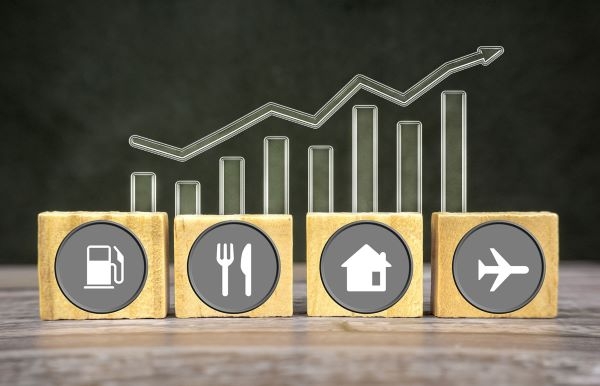
Inflation refers to a sustained increase in the overall price level of goods and services in an economy. While inflation can occur for many reasons, one important cause is cost-push inflation. Cost-push inflation happens when the costs of producing goods and services rise, forcing businesses to increase prices to maintain profitability. In other words, prices rise because production becomes more expensive.
Unlike demand-pull inflation, which is caused by strong consumer demand exceeding the economy’s ability to supply goods and services, cost-push inflation begins with problems on the supply side of the economy. It can be triggered by rising wages, higher energy prices, shortages of raw materials, supply chain disruptions, or increases in taxes and regulations.
Understanding cost-push inflation helps explain why prices can rise even when consumer demand is not particularly strong.
How Cost-Push Inflation Works
Businesses produce goods and services by combining labor, raw materials, energy, equipment, and other resources. When the cost of these inputs increases, companies face higher expenses. To avoid losing profits, many businesses respond by raising the prices they charge customers.
For example, imagine a bakery that produces bread. If the price of wheat, electricity, and transportation rises, the bakery’s production costs increase. If the bakery continues selling bread at the same price, its profit margins may shrink or disappear. As a result, it may raise the price of bread to cover the higher costs.
When many businesses across an economy experience similar cost increases, the result can be widespread inflation.
The process usually follows this pattern:
-
Production costs increase
Businesses pay more for materials, labor, energy, or other inputs. -
Businesses raise prices
Companies pass some or all of their higher costs onto consumers. -
Consumers pay more
The general price level increases. -
Inflation spreads
Higher prices may lead workers to demand higher wages, causing further cost increases.
Main Causes of Cost-Push Inflation
1. Rising Energy Prices
Energy is a major input in almost every industry. Companies use electricity, natural gas, gasoline, and other fuels to manufacture products, transport goods, and operate facilities.
When energy prices rise, businesses often experience higher operating costs. These costs can affect nearly every sector, from agriculture and manufacturing to retail and transportation.
For example, a sharp increase in oil prices can raise the cost of producing and shipping goods. Since transportation costs are included in the prices of many products, consumers may see higher prices for food, clothing, electronics, and other goods.
2. Higher Wages
Labor is another important production cost. When workers receive higher wages, businesses may face increased expenses. Higher wages can occur because of labor shortages, stronger bargaining power among employees, or government decisions such as increases in minimum wage laws.
Higher wages do not always cause inflation. If workers become more productive, businesses may be able to pay higher wages without raising prices. However, if wage increases are significantly higher than productivity growth, companies may increase prices to compensate for higher labor costs.
This can sometimes create a wage-price cycle, where rising prices lead workers to demand higher wages, and higher wages lead businesses to raise prices further.
3. Shortages of Raw Materials
Many industries depend on specific resources to produce goods. A shortage of important materials can increase costs and reduce production.
For example, shortages of metals, agricultural products, computer chips, or construction materials can make manufacturing more expensive. Businesses may pass these increased costs on to consumers through higher prices.
Natural disasters, geopolitical conflicts, trade restrictions, or unexpected increases in demand can all contribute to resource shortages.
4. Supply Chain Disruptions
Modern economies rely on complex global supply chains. Companies often depend on suppliers from different countries for materials, components, and finished products.
When supply chains are disrupted, businesses may face delays, higher transportation costs, and shortages of essential inputs. These disruptions can increase production costs and reduce the availability of goods, pushing prices upward.
Examples include shipping disruptions, factory shutdowns, or international conflicts that interfere with trade.
5. Higher Taxes and Regulations
Government policies can also contribute to cost-push inflation. When taxes on businesses increase, companies may raise prices to offset the additional expense.
Similarly, new regulations may increase the cost of production. For example, environmental rules that require companies to adopt new technologies or processes may raise operating costs. While such policies may have important long-term benefits, they can contribute to higher prices in the short term.
Examples of Cost-Push Inflation
One well-known example of cost-push inflation occurred during the 1970s oil crises. Oil-producing countries reduced oil supplies, causing global oil prices to rise sharply. Because oil is essential for transportation and manufacturing, higher energy costs increased the prices of many goods and services around the world.
Another example occurred during the global supply chain disruptions of the early 2020s. Shortages of shipping capacity, factory interruptions, and limited supplies of certain products increased costs for many businesses. These higher costs contributed to rising consumer prices in several economies.
Cost-Push Inflation vs. Demand-Pull Inflation
Cost-push inflation and demand-pull inflation are two major explanations for rising prices, but they originate from different sources.
Cost-push inflation:
-
Begins with rising production costs.
-
Reduces the supply of goods and services.
-
Causes businesses to increase prices.
-
Can occur even when consumer demand is stable.
Demand-pull inflation:
-
Begins with strong consumer or business demand.
-
Occurs when demand grows faster than the economy’s ability to produce goods and services.
-
Encourages businesses to increase prices because customers are willing to pay more.
For example, if consumers suddenly buy more cars than manufacturers can produce, prices may rise due to demand-pull inflation. However, if the cost of steel, labor, and transportation used to make cars increases, higher car prices may result from cost-push inflation.
Effects of Cost-Push Inflation
Cost-push inflation can have several economic consequences.
Reduced Purchasing Power
When prices rise, money loses some of its purchasing power. Consumers may find that their income buys fewer goods and services than before, especially if wages do not increase at the same pace as prices.
Lower Business Profits
Some businesses may struggle when production costs rise quickly. Companies that cannot increase prices enough to cover higher expenses may experience lower profits or may reduce production.
Slower Economic Growth
High inflation can create uncertainty for businesses and consumers. Companies may delay investments because future costs are harder to predict, while consumers may reduce spending because everyday expenses become more expensive.
Possible Unemployment Increases
If businesses face sharply higher costs, they may reduce hiring, cut production, or lay off workers to control expenses. This can create economic challenges, particularly when inflation is combined with weak growth.
How Governments and Central Banks Respond
Managing cost-push inflation can be difficult because policies that reduce inflation may also slow economic growth.
Central banks often respond by raising interest rates. Higher interest rates make borrowing more expensive, which can reduce spending and investment. This may help slow inflation, although it does not directly solve supply problems.
Governments may also attempt to address the underlying causes of cost increases. Possible measures include improving supply chains, reducing trade barriers, investing in energy production, or supporting industries facing shortages.
However, policymakers must balance inflation control with maintaining economic growth and employment.
Conclusion
Cost-push inflation occurs when rising production costs cause businesses to increase prices. It is driven by supply-side pressures such as higher energy prices, wage increases, raw material shortages, supply chain disruptions, and increased taxes or regulations.
Unlike demand-pull inflation, which results from excessive demand, cost-push inflation begins with difficulties in producing goods and services. It can be especially challenging for policymakers because solving it often requires addressing the original supply problems rather than simply reducing demand.
Understanding cost-push inflation is important because it explains why prices can rise even when consumers are not spending excessively. By recognizing its causes and effects, businesses, governments, and individuals can better understand changes in the economy and respond more effectively to inflationary pressures.
- Arts
- Business
- Computers
- Juegos
- Health
- Home
- Kids and Teens
- Money
- News
- Personal Development
- Recreation
- Regional
- Reference
- Science
- Shopping
- Society
- Sports
- Бизнес
- Деньги
- Дом
- Досуг
- Здоровье
- Игры
- Искусство
- Источники информации
- Компьютеры
- Личное развитие
- Наука
- Новости и СМИ
- Общество
- Покупки
- Спорт
- Страны и регионы
- World

 English
 Russian
 French
 Portuguese
 Deutsch
 Turkish
 Dutch
Dutch
 Italiano
 Arabic
 Romaian
 Portuguese (Brazil)
 Greek
Greek
