
Should I buy a house during inflation?
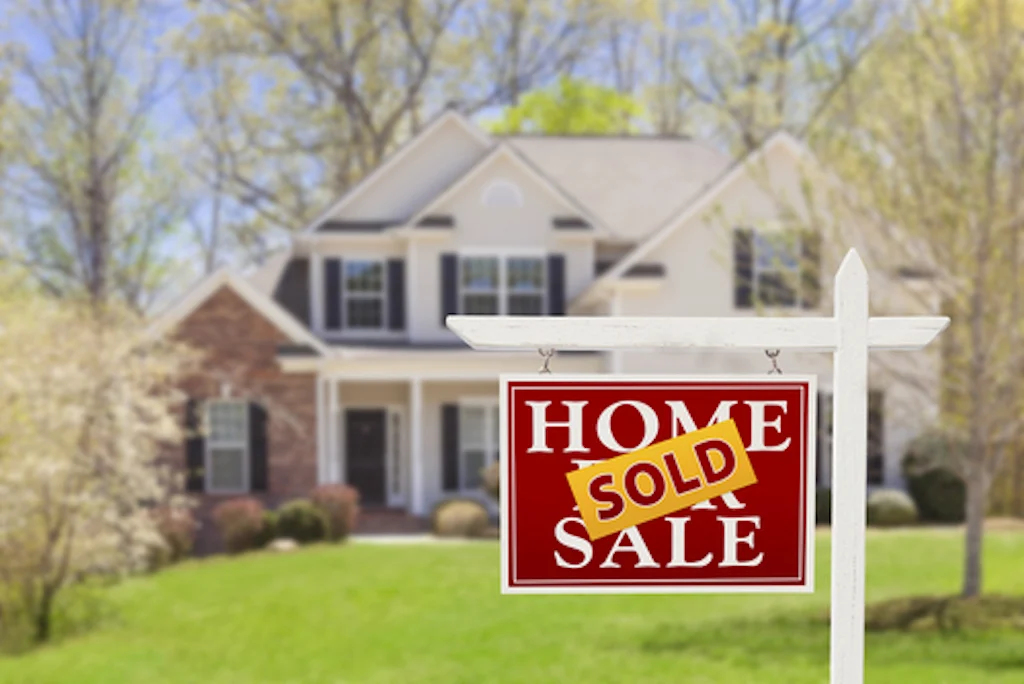
Should I Buy a House During Inflation?
Inflation can make many financial decisions feel uncertain, especially large purchases like buying a home. When prices are rising, people often wonder whether they should act quickly before homes become even more expensive or wait until economic conditions improve. The answer depends on several factors, including interest rates, personal finances, housing market conditions, and long-term goals.
Buying a house during inflation can be a smart decision in some situations, but it can also create financial pressure if done without careful planning. Understanding how inflation affects mortgages, home prices, and purchasing power can help you decide whether buying a home is the right move.
How Inflation Affects Housing
Inflation affects different parts of the housing market in different ways. As the cost of goods and services rises, construction expenses usually increase. Materials such as lumber, steel, and concrete become more expensive, and labor costs may also rise. These higher costs can push up the price of newly built homes.
At the same time, inflation can reduce the value of money over time. A fixed amount of cash today may buy less in the future. For homeowners with fixed-rate mortgages, inflation can sometimes work in their favor because they repay their loans with money that may be worth less than when they borrowed it.
However, inflation often leads central banks to raise interest rates to slow price increases. Higher interest rates make mortgages more expensive because borrowers pay more in interest over the life of the loan. This can reduce how much home buyers can afford and weaken demand in the housing market.
Potential Benefits of Buying a House During Inflation
1. A Home Can Protect Against Rising Costs
Real estate is often considered a potential hedge against inflation. Unlike cash, which loses purchasing power as prices rise, a physical asset like a home may maintain or increase its value over time.
If inflation continues and housing demand remains strong, property prices may rise. Homeowners may benefit from owning an asset that appreciates while other costs are increasing.
However, real estate does not automatically beat inflation. Housing markets vary by location, and home prices can fall even during periods of high inflation if economic conditions weaken.
2. Fixed-Rate Mortgages Become More Valuable
One of the biggest advantages of buying during inflation is securing a fixed-rate mortgage. With a fixed-rate loan, your monthly principal and interest payment stays the same for the entire loan term.
For example, if you take out a 30-year fixed mortgage, your payment may remain unchanged while wages, rents, and general prices increase. Over time, the real cost of your mortgage payment may become lower compared with your income.
This is one reason homeowners with fixed-rate mortgages often benefit during inflationary periods. Their debt becomes easier to repay in real terms as the value of money declines.
3. You Avoid Rising Rents
Inflation can also push up rental prices. Landlords may increase rents to cover higher maintenance costs, taxes, insurance, and other expenses.
For people who plan to stay in one location for many years, buying a home can provide more predictable housing costs. Instead of facing possible rent increases every year, homeowners with fixed-rate mortgages have greater payment stability.
4. Long-Term Wealth Building
A home can be an important part of building wealth. Each mortgage payment reduces the amount owed and increases home equity. Over many years, homeowners may accumulate significant value in their property.
Real estate can also provide benefits such as potential appreciation, tax advantages in some regions, and the ability to use home equity later in life.
Risks of Buying a House During Inflation
While buying a home during inflation can have advantages, there are also risks to consider.
1. Higher Mortgage Rates
The biggest challenge during inflation is often higher interest rates. When central banks increase rates to control inflation, mortgage rates usually rise as well.
A higher mortgage rate can significantly increase monthly payments. For example, even a small increase in the interest rate can add thousands of dollars in interest costs over the life of a loan.
A buyer who can comfortably afford a home at a lower interest rate may struggle if rates rise. This is why affordability calculations are important before purchasing.
2. Home Prices May Be Overvalued
Inflation can sometimes create a rush to buy assets, including real estate. When many buyers try to protect their money from inflation, demand can push home prices higher.
If you buy during a period when prices are unusually high, the market may later correct. A decline in home values could leave you owing more on your mortgage than your home is worth, especially if you made a small down payment.
3. Reduced Financial Flexibility
Buying a home requires a large financial commitment. During inflation, other expenses such as food, energy, transportation, and insurance may also increase.
A homeowner with a large mortgage may have less money available for emergencies, investments, or unexpected expenses. Before buying, it is important to have savings and a stable income.
4. Maintenance and Ownership Costs Increase
Homeownership involves more than just mortgage payments. Property taxes, insurance, repairs, and maintenance costs can rise during inflation.
A roof replacement, plumbing repair, or home renovation may become more expensive when the cost of materials and labor increases.
When Buying a House During Inflation May Make Sense
Buying a home during inflation may be a good choice if:
-
You have stable income and job security.
-
You plan to stay in the home for many years.
-
You can afford the monthly payment even if other expenses rise.
-
You have enough savings for emergencies and maintenance.
-
You can secure a reasonable mortgage rate.
-
The local housing market remains healthy.
Long-term homeowners are generally less affected by short-term market changes because they have more time to recover from price fluctuations.
When Waiting May Be Better
Waiting to buy may make more sense if:
-
Mortgage rates are extremely high.
-
Home prices appear significantly overpriced.
-
You have limited savings.
-
Your income situation is uncertain.
-
You may need to move soon.
-
Buying would leave you financially stretched.
A home should not only be viewed as an investment. It is also a place to live, and financial stress from an unaffordable mortgage can outweigh potential gains.
Buying a Home vs. Renting During Inflation
The decision between buying and renting depends on your personal situation.
Renting offers flexibility and fewer responsibilities. You do not have to pay for major repairs, and you can move more easily. However, rents may rise over time, especially during inflation.
Buying provides stability and the opportunity to build equity. However, it requires upfront costs, ongoing maintenance, and a long-term commitment.
A useful approach is to compare the total cost of owning a home—including mortgage interest, taxes, insurance, and maintenance—with the cost of renting in your area.
Strategies for Buying During Inflation
If you decide to buy a home during inflation, consider these strategies:
Choose a Fixed-Rate Mortgage
A fixed-rate mortgage can protect you from future interest rate increases and provide predictable payments.
Avoid Borrowing the Maximum Amount
Just because a lender approves a certain loan amount does not mean you should borrow that much. Leaving room in your budget can help you handle rising expenses.
Focus on Location and Long-Term Value
A home in a desirable location with strong employment opportunities, good infrastructure, and limited housing supply may hold its value better over time.
Maintain an Emergency Fund
Keep savings available for unexpected costs. Home repairs and economic changes can create financial challenges.
Final Thoughts
Buying a house during inflation can be a good decision, but it is not automatically the right choice for everyone. Real estate may help protect wealth from inflation, and fixed-rate mortgages can become more affordable over time as money loses purchasing power. However, high mortgage rates, expensive home prices, and financial strain can create significant risks.
The best time to buy a home is usually not determined only by inflation levels. It depends on whether you are financially prepared, whether the home fits your long-term plans, and whether you can comfortably afford the costs of ownership.
For buyers with stable finances and a long-term perspective, purchasing a home during inflation can be a valuable investment. For others, waiting until conditions improve and finances become stronger may be the better choice. The key is to make a decision based on your personal financial situation rather than trying to predict the market perfectly.
- Arts
- Business
- Computers
- Jocuri
- Health
- Home
- Kids and Teens
- Money
- News
- Personal Development
- Recreation
- Regional
- Reference
- Science
- Shopping
- Society
- Sports
- Бизнес
- Деньги
- Дом
- Досуг
- Здоровье
- Игры
- Искусство
- Источники информации
- Компьютеры
- Личное развитие
- Наука
- Новости и СМИ
- Общество
- Покупки
- Спорт
- Страны и регионы
- World

 English
 Russian
 French
 Spanish
 Portuguese
 Deutsch
 Turkish
 Dutch
Dutch
 Italiano
 Arabic
 Portuguese (Brazil)
 Greek
Greek
