
When do credit cards charge interest?
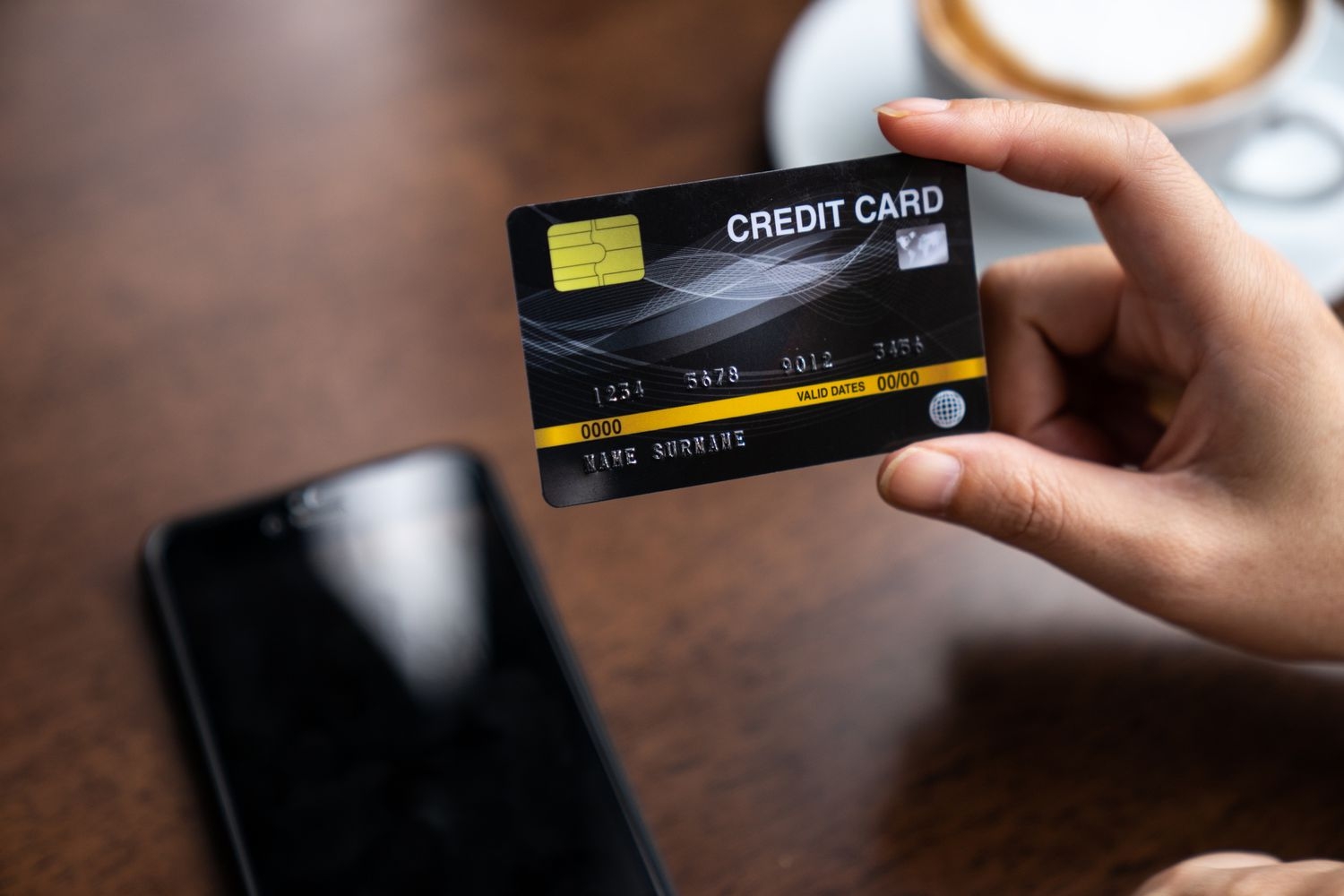
When Do Credit Cards Charge Interest?
Credit cards are convenient financial tools, but understanding when they charge interest is essential to avoid unnecessary costs. Many people believe that using a credit card automatically means paying interest, but that's not always true. In fact, if you use your card wisely, you may never pay any interest at all.
This article explains when credit card interest is charged, how grace periods work, and how to minimize or avoid interest charges.
Understanding Credit Card Interest
Credit card interest is the cost of borrowing money from your card issuer. If you don't repay the money you've borrowed according to your card's terms, the issuer charges interest on the outstanding balance.
Interest is typically expressed as an Annual Percentage Rate (APR). While the APR is quoted annually, interest is usually calculated daily based on your unpaid balance.
The Grace Period
The key to avoiding credit card interest is understanding the grace period.
A grace period is the time between the end of your billing cycle and your payment due date. During this period, you can pay your statement balance in full without being charged interest on purchases.
For example:
-
Billing cycle ends: June 30
-
Statement balance: $800
-
Payment due date: July 25
If you pay the full $800 by July 25, you generally won't pay any interest on those purchases.
When Credit Cards Charge Interest
1. You Don't Pay Your Statement Balance in Full
The most common reason for paying interest is carrying a balance.
Suppose your statement balance is $1,000, but you only pay $300. The remaining $700 carries over to the next billing cycle, and interest begins accruing on that unpaid amount.
Depending on your card agreement, new purchases may also start accruing interest immediately because you've lost your grace period.
2. You Make Only the Minimum Payment
Paying the minimum payment keeps your account in good standing and helps you avoid late fees. However, it doesn't stop interest from accumulating.
For example:
-
Statement balance: $2,000
-
Minimum payment: $50
If you pay only $50, interest is charged on the remaining balance, making repayment more expensive over time.
3. You Take a Cash Advance
Cash advances work differently from regular purchases.
Most credit cards charge interest on cash advances from the day you withdraw the money. There is usually no grace period, and cash advances often have:
-
Higher APRs
-
Cash advance fees
-
Immediate interest accrual
Because of these costs, cash advances are generally one of the most expensive ways to borrow money.
4. You Transfer a Balance
Some balance transfers come with promotional offers such as 0% APR for a limited period.
However, if no promotional rate applies—or once the promotional period ends—interest begins accruing on the remaining transferred balance according to the card's standard terms.
5. You Miss Your Payment Due Date
Missing your payment can have several consequences:
-
Late payment fees
-
Interest on unpaid balances
-
Possible loss of promotional APR offers
-
Potential penalty APR on some cards
Even if you usually pay in full, a missed payment may lead to unexpected interest charges.
Does Paying the Current Balance Avoid Interest?
Many people confuse the statement balance with the current balance.
-
Statement balance: Amount owed at the end of the billing cycle.
-
Current balance: Includes new purchases made after the statement was issued.
To avoid interest on purchases, you generally only need to pay the statement balance by the due date. Paying the larger current balance isn't usually necessary, though doing so further reduces what you owe.
How Interest Is Calculated
Most card issuers calculate interest using the average daily balance method.
This means they:
-
Record your balance each day.
-
Calculate a daily interest rate from your APR.
-
Apply interest to the average balance over the billing cycle.
The longer you carry a balance, the more interest accumulates.
What Happens If You Lose Your Grace Period?
Once you carry a balance, many credit card issuers suspend your grace period for new purchases.
As a result:
-
Existing balances continue accruing interest.
-
New purchases may begin accruing interest immediately.
You typically regain your grace period only after paying your statement balances in full for one or two consecutive billing cycles, depending on the issuer's policy.
Promotional 0% APR Offers
Some credit cards offer introductory 0% APR promotions on purchases or balance transfers.
During the promotional period:
-
Eligible transactions do not accrue interest.
-
You still must make at least the minimum monthly payment.
-
Interest begins once the promotional period expires if a balance remains.
Be sure to understand the promotion's end date and terms.
Tips to Avoid Paying Credit Card Interest
The simplest ways to avoid interest include:
-
Pay your statement balance in full every month.
-
Pay by the due date.
-
Avoid cash advances whenever possible.
-
Monitor promotional APR expiration dates.
-
Set up automatic payments to avoid missing deadlines.
-
Keep track of your spending so you can comfortably pay your balance each month.
Common Misconceptions
"Using a credit card always means paying interest."
False. If you pay your statement balance in full during the grace period, purchases typically won't incur interest.
"Paying the minimum payment avoids interest."
False. The minimum payment prevents your account from becoming delinquent but usually does not stop interest from accruing.
"Interest is charged only once per month."
Not exactly. While it appears on your monthly statement, interest is often calculated daily based on your outstanding balance.
Frequently Asked Questions
Do all purchases have a grace period?
Most purchases qualify for a grace period if you've been paying your statement balance in full. Cash advances usually do not.
Can I avoid interest after carrying a balance?
Yes. Once you repay your balance according to your issuer's requirements and regain your grace period, future purchases can again avoid interest if paid in full.
Is paying early better?
Paying before the due date can reduce your average daily balance if you're already carrying debt, potentially lowering interest charges. If you always pay in full, paying anytime before the due date generally avoids purchase interest.
Conclusion
Credit cards charge interest only under certain circumstances. If you consistently pay your statement balance in full by the due date, you can typically use your credit card without paying any interest on purchases. Interest usually applies when you carry a balance, make cash advances, miss payments, or allow promotional rates to expire.
Understanding your billing cycle, grace period, and payment obligations can help you make the most of your credit card while keeping borrowing costs as low as possible.
- Arts
- Business
- Computers
- Spellen
- Health
- Home
- Kids and Teens
- Money
- News
- Personal Development
- Recreation
- Regional
- Reference
- Science
- Shopping
- Society
- Sports
- Бизнес
- Деньги
- Дом
- Досуг
- Здоровье
- Игры
- Искусство
- Источники информации
- Компьютеры
- Личное развитие
- Наука
- Новости и СМИ
- Общество
- Покупки
- Спорт
- Страны и регионы
- World

 English
 Russian
 French
 Spanish
 Portuguese
 Deutsch
 Turkish
 Italiano
 Arabic
 Romaian
 Portuguese (Brazil)
 Greek
Greek
