
How do exports affect economic growth?
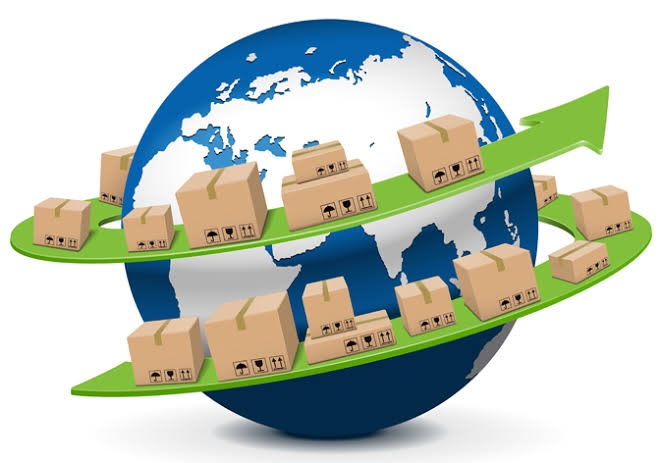
How Do Exports Affect Economic Growth?
Exports play an important role in the economic growth of countries. They allow businesses to sell goods and services to customers in foreign markets, bringing income into the domestic economy. From agricultural products and manufactured goods to software, tourism, and professional services, exports can create jobs, increase business revenues, attract investment, and strengthen a country's position in international trade.
However, the effect of exports on economic growth depends on several factors, including the types of products exported, the country's level of development, global demand, and the stability of international markets.
What Are Exports?
Exports are goods and services produced in one country and sold to customers in another country. For example, when a country sells automobiles, agricultural products, clothing, machinery, or software to foreign buyers, those sales are considered exports.
Exports are an important part of international trade. When a country exports more, money from foreign markets flows into its economy. Businesses can use this income to expand production, hire workers, purchase equipment, and develop new products.
Exports Increase National Income
One of the most direct ways exports contribute to economic growth is by increasing national income. When foreign customers purchase domestically produced goods and services, exporters receive revenue from outside the country's economy.
Higher export earnings can increase business profits and wages. Workers employed by exporting companies spend their income on housing, food, transportation, entertainment, and other goods and services. This creates additional economic activity throughout the economy.
For countries that successfully develop strong export industries, foreign demand can therefore become an important source of economic expansion.
Exports Create Jobs
Export industries can generate employment directly and indirectly. A company that sells products internationally may need additional workers in manufacturing, agriculture, transportation, logistics, marketing, finance, and customer service.
Exports also support businesses that supply inputs to exporters. For example, a furniture manufacturer may purchase wood from local suppliers, packaging from another company, and transportation services from a logistics provider. As the manufacturer expands its exports, these supporting businesses may also grow and hire more workers.
Consequently, export growth can have a wider impact on employment than the number of jobs created by exporting companies alone.
Exports Encourage Business Expansion
Access to international markets gives businesses the opportunity to reach many more customers than they could find domestically. A larger customer base can encourage companies to increase production and invest in new facilities, machinery, and technology.
Exporting can also help businesses achieve economies of scale. When companies produce larger quantities, their average production costs may decrease. This can make their products more competitive both internationally and domestically.
Successful exporters may therefore become more productive and competitive over time.
Exports Can Attract Investment
Strong export industries can make a country more attractive to domestic and foreign investors. Investors may be interested in countries that have skilled workers, reliable infrastructure, competitive production costs, and access to international markets.
For example, a multinational company may establish a manufacturing facility in a country because it can produce goods there and export them to other markets. Such investment can bring capital, technology, management expertise, and employment opportunities.
Foreign investment can further strengthen export capacity and contribute to long-term economic development.
Exports Promote Productivity and Innovation
Competition in international markets can encourage businesses to improve their products and production methods. Exporters often have to meet international standards for quality, efficiency, safety, and technology.
To remain competitive, companies may invest in research and development, modern machinery, employee training, and improved management practices. These improvements can increase productivity.
Over time, knowledge and technology developed by exporting businesses may spread to other parts of the economy, helping raise overall productivity.
Exports Generate Foreign Currency
Exports provide countries with foreign currency, which can be used to pay for imports such as machinery, energy, raw materials, technology, and consumer products.
This is particularly important for developing economies. A country that earns substantial foreign exchange from exports may have greater ability to purchase the equipment and resources needed for economic development.
Export earnings can also help countries strengthen their international financial position and manage payments to foreign creditors.
Exports Can Improve the Trade Balance
Exports are one component of a country's trade balance, which compares the value of exports with the value of imports. When exports increase faster than imports, a country's trade deficit may decrease or its trade surplus may increase.
A stronger trade position can support economic stability, although a trade surplus is not automatically better than a trade deficit. Imports can also be beneficial when they provide businesses and consumers with affordable goods, raw materials, and advanced technology.
Therefore, the overall effect depends on why a country is importing and exporting and how these activities affect productivity and living standards.
Exports Can Support Government Revenue
Growing export industries can contribute to government finances through corporate taxes, income taxes, payroll taxes, and other forms of public revenue. Governments can use these revenues to invest in infrastructure, education, healthcare, and other public services.
In some countries, export industries also generate royalties or other payments when they involve natural resources. However, governments must manage these revenues carefully to ensure that export wealth contributes to sustainable development.
The Risks of Relying Too Heavily on Exports
Although exports can stimulate economic growth, dependence on exports also creates risks. Foreign demand can change because of recessions, political conflicts, changing consumer preferences, or shifts in international prices.
Countries that depend heavily on a single export product can be particularly vulnerable. For example, a country that relies mainly on oil, minerals, or one agricultural commodity may experience significant economic difficulties if the global price of that product falls.
Diversifying exports across different products and markets can reduce these risks.
Exports and Sustainable Economic Growth
The long-term benefits of exports depend partly on what a country exports. Exports based on advanced manufacturing, technology, professional services, and other high-value activities can help build skills and productivity.
Natural-resource exports can also generate substantial income, but excessive dependence on resources can create economic volatility and may cause environmental problems if resources are poorly managed.
For sustainable growth, countries can use export revenues to invest in education, infrastructure, technology, and industries that increase productivity over the long term.
Conclusion
Exports can be a powerful engine of economic growth. They increase business revenue, create employment, attract investment, generate foreign currency, encourage innovation, and connect domestic businesses with international markets. By expanding production and improving productivity, successful export industries can raise national income and living standards.
At the same time, exports are not without risks. Dependence on foreign demand, volatile commodity prices, and a small number of export products can make an economy vulnerable to international shocks.
The greatest benefits usually occur when countries develop diverse and competitive export industries while using export earnings to invest in infrastructure, education, technology, and sustainable development. In this way, exports can contribute not only to short-term economic expansion but also to stronger and more resilient long-term economic growth.
- Arts
- Business
- Computers
- Giochi
- Health
- Home
- Kids and Teens
- Money
- News
- Personal Development
- Recreation
- Regional
- Reference
- Science
- Shopping
- Society
- Sports
- Бизнес
- Деньги
- Дом
- Досуг
- Здоровье
- Игры
- Искусство
- Источники информации
- Компьютеры
- Личное развитие
- Наука
- Новости и СМИ
- Общество
- Покупки
- Спорт
- Страны и регионы
- World

 English
 Russian
 French
 Spanish
 Portuguese
 Deutsch
 Turkish
 Dutch
Dutch
 Arabic
 Romaian
 Portuguese (Brazil)
 Greek
Greek