
How Can Someone Become a CEO?
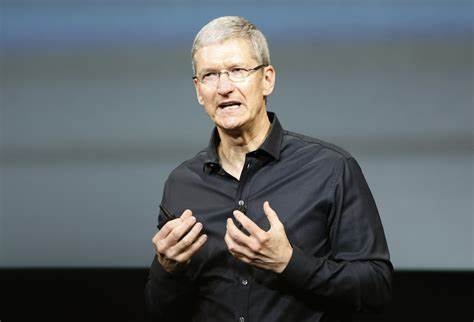
Becoming a Chief Executive Officer (CEO) is a career goal that many professionals aspire to achieve. However, reaching this pinnacle of leadership involves more than ambition—it requires a blend of education, experience, and personal development. CEOs are responsible for setting a company’s strategic direction, making high-stakes decisions, and inspiring teams to achieve common goals. Here’s a closer look at how one can chart a path toward becoming a CEO.
1. Pursue Formal Education
Most CEOs start their journey with a strong educational foundation. A bachelor’s degree in business, finance, economics, or a related field is often the first step. Many aspiring CEOs further their education with an MBA or other graduate degrees to deepen their strategic thinking and leadership abilities. This formal education not only enhances knowledge but also builds credibility.
2. Gain Industry-Specific Experience
Understanding the nuances of a particular industry is crucial for effective leadership. CEOs often work their way up through roles in operations, marketing, finance, or product development. Hands-on experience in various departments allows future CEOs to make informed decisions and earn the respect of their teams.
3. Develop Key Personal Traits
Certain personal qualities are commonly found in successful CEOs. These include confidence, resilience, emotional intelligence, and effective communication. The ability to stay calm under pressure, inspire others, and make bold yet calculated decisions is critical. These traits can be developed over time through self-reflection, mentorship, and consistent practice.
4. Build a Strong Professional Network
Networking is an essential part of leadership growth. Engaging with mentors, peers, and industry leaders provides valuable insights, support, and opportunities. Attending conferences, joining professional organizations, and being active on platforms like LinkedIn can expand one’s visibility and reputation in the field.
5. Seek Leadership Roles
Demonstrating leadership at every stage of your career helps build the foundation for a future CEO role. Whether managing a small team or leading a major project, showing the ability to guide others and achieve results is key. Many CEOs have a track record of taking initiative, driving innovation, and delivering outcomes in high-impact roles.
6. Understand the Bigger Picture
CEOs need a broad perspective that extends beyond their immediate responsibilities. This includes a strong understanding of global markets, technology trends, and socioeconomic factors that impact the business landscape. Reading widely, attending seminars, and staying informed are effective ways to develop strategic thinking.
7. Be Open to Lateral Moves
Sometimes, the path to the top involves lateral moves that broaden your experience. Working in different departments, regions, or even industries can provide new insights and skills that are valuable in a CEO role.
8. Create a Personal Brand
Your reputation matters. CEOs are often in the public eye, so building a strong personal brand is important. This includes having a professional online presence, speaking at industry events, and publishing thought leadership content. A clear and consistent brand helps others see you as a leader before you even hold the title.
Conclusion
There is no single route to becoming a CEO, but a mix of education, experience, personal growth, and strategic networking can pave the way. By taking deliberate steps and continuously evolving, professionals can prepare themselves for the challenges and rewards of executive leadership.
- Arts
- Business
- Computers
- Jogos
- Health
- Início
- Kids and Teens
- Money
- News
- Personal Development
- Recreation
- Regional
- Reference
- Science
- Shopping
- Society
- Sports
- Бизнес
- Деньги
- Дом
- Досуг
- Здоровье
- Игры
- Искусство
- Источники информации
- Компьютеры
- Личное развитие
- Наука
- Новости и СМИ
- Общество
- Покупки
- Спорт
- Страны и регионы
- World

 English
 Russian
 French
 Spanish
 Portuguese
 Deutsch
 Turkish
 Dutch
Dutch
 Italiano
 Arabic
 Romaian
 Greek
Greek
