
How Do I Handle Conflicts or Underperformance?
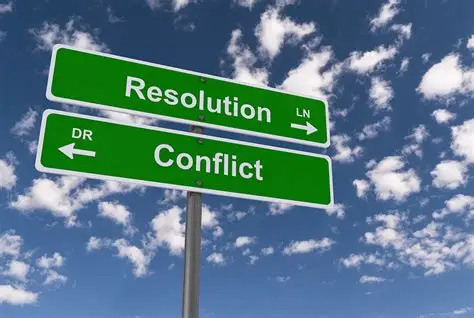
A key challenge every manager faces at some point is addressing team members who are not meeting expectations. Whether it’s due to declining performance, lack of engagement, or interpersonal tension, leaders often find themselves asking:
“How do you handle a team member who is not contributing adequately?”
The most effective responses combine empathy with accountability. Rather than jumping to conclusions or applying blanket solutions, strong leaders engage in honest dialogue and collaborative problem-solving.
Here are practical strategies to address conflicts or underperformance constructively and respectfully.
1. Start with a Private, Respectful Check-In
Begin the conversation in a low-pressure, one-on-one setting. Avoid public callouts or blame. The goal is to understand, not accuse. Ask open-ended questions like:
-
“How have you been feeling about your work lately?”
-
“Is there anything you’re struggling with that I may not be aware of?”
This helps surface potential causes such as unclear expectations, burnout, personal challenges, or team dynamics.
2. Focus on Specific Behaviors, Not Character
Avoid vague or personal statements like “You’re not committed.” Instead, reference concrete examples:
-
“I’ve noticed you’ve missed a few deadlines this month.”
-
“In the last team meeting, you didn’t contribute as you usually do.”
This keeps the conversation grounded in observable facts and reduces defensiveness.
3. Listen Actively and Without Judgment
Give the team member space to share their perspective. Sometimes underperformance stems from a lack of clarity, miscommunication, or feeling unsupported. Be curious rather than corrective. Even if you disagree, acknowledge their viewpoint and reflect it back to show you’re listening.
4. Collaboratively Create a Support Plan
Rather than issuing ultimatums, co-design a path forward. This might include:
-
Clarifying role expectations
-
Adjusting workload or responsibilities
-
Setting short-term goals with clear checkpoints
-
Providing training, mentorship, or coaching
This not only builds trust but shows your commitment to helping them succeed.
5. Follow Up and Offer Ongoing Support
Don’t let the conversation be a one-time event. Schedule regular follow-ups to check progress, offer feedback, and provide encouragement. Accountability works best when paired with genuine support.
6. Address Conflict Early and Directly
If the issue is rooted in interpersonal conflict, avoid letting it fester. Facilitate a respectful dialogue between the parties involved. Set ground rules for communication and help them focus on shared goals, not personal grievances.
Mediation may be necessary in some cases, but often simply creating space for open, facilitated conversation resolves tension.
7. Know When to Escalate
If performance doesn’t improve despite repeated efforts, or if behavior is toxic or disruptive, it may be time to involve HR or escalate through formal channels. The goal isn’t to punish, but to protect the integrity and health of the team.
Document conversations and interventions to ensure transparency and fairness.
Conclusion
Handling underperformance or conflict requires courage, compassion, and clarity. It’s not about confrontation—it’s about connection and accountability. By approaching the issue with curiosity and care, leaders can often turn a difficult moment into a growth opportunity—for both the individual and the team.
- Arts
- Business
- Computers
- Spellen
- Health
- Home
- Kids and Teens
- Money
- News
- Personal Development
- Recreation
- Regional
- Reference
- Science
- Shopping
- Society
- Sports
- Бизнес
- Деньги
- Дом
- Досуг
- Здоровье
- Игры
- Искусство
- Источники информации
- Компьютеры
- Личное развитие
- Наука
- Новости и СМИ
- Общество
- Покупки
- Спорт
- Страны и регионы
- World

 English
 Russian
 French
 Spanish
 Portuguese
 Deutsch
 Turkish
 Italiano
 Arabic
 Romaian
 Portuguese (Brazil)
 Greek
Greek