
How Do You Improve Energy Efficiency in Buildings?
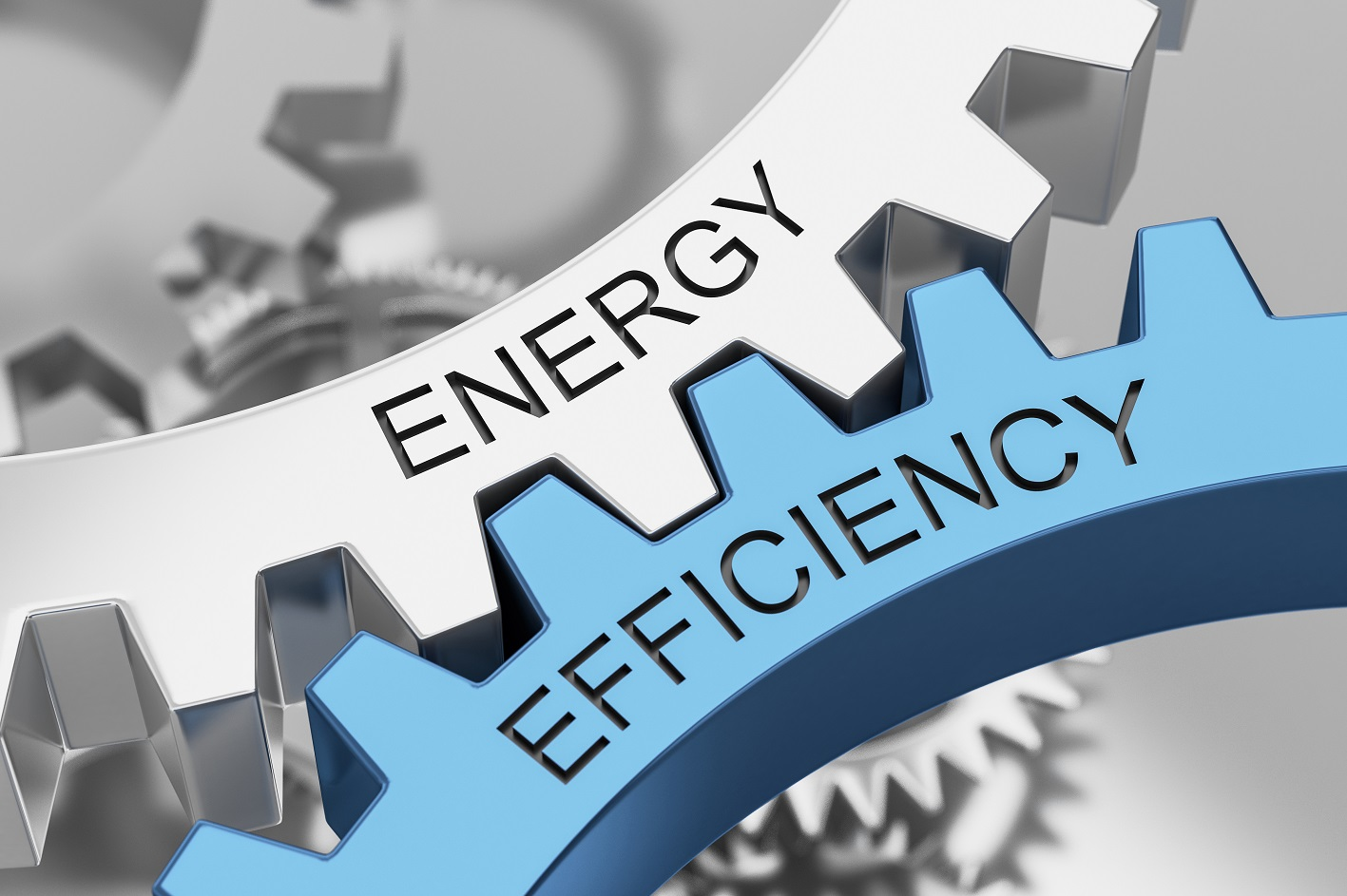
Improving energy efficiency in buildings is one of the most important goals in modern facility management. Energy use accounts for a significant portion of operational costs in most organizations, and inefficient systems can lead to unnecessary expenses, environmental impact, and reduced building performance.
Energy efficiency is not just about reducing consumption—it is about optimizing how energy is used to maintain comfort, productivity, and safety while minimizing waste. With the rise of smart technologies and sustainability goals, energy-efficient buildings have become a strategic priority.
Understanding Energy Efficiency in Buildings
Energy efficiency refers to using less energy to perform the same tasks or achieve the same level of comfort and functionality.
In buildings, this includes:
- Heating and cooling systems (HVAC)
- Lighting systems
- Electrical equipment
- Water heating systems
The goal is to reduce energy waste while maintaining optimal performance.
Importance of Energy Efficiency in Facility Management
Energy efficiency plays a critical role in facility management for several reasons:
- Cost reduction: Lowers electricity and utility bills
- Sustainability: Reduces environmental impact
- Compliance: Meets energy regulations and standards
- Performance: Improves building system efficiency
Efficient energy use supports both financial and environmental goals.
Energy Audits and Assessments
The first step in improving energy efficiency is conducting an energy audit.
Energy audits help identify:
- Areas of high energy consumption
- Inefficient systems and equipment
- Opportunities for improvement
Audits provide a clear baseline for energy optimization strategies.
Optimizing HVAC Systems
Heating, ventilation, and air conditioning (HVAC) systems are among the largest energy consumers in buildings.
Efficiency can be improved by:
- Regular maintenance and cleaning
- Installing smart thermostats
- Using energy-efficient HVAC units
- Optimizing temperature settings
Proper HVAC management significantly reduces energy waste.
Energy-Efficient Lighting Systems
Lighting is another major source of energy consumption.
Improvements include:
- Switching to LED lighting
- Installing motion sensors
- Using daylight harvesting systems
- Turning off unused lighting
These measures reduce electricity usage without affecting comfort.
Building Automation Systems
Building automation systems (BAS) help control and optimize energy use automatically.
They manage:
- Lighting schedules
- Temperature control
- Equipment operation
Automation ensures energy is only used when needed.
Role of Smart Building Technology
Smart building technology enhances energy efficiency through real-time monitoring and control.
It enables:
- Automated energy adjustments
- Predictive energy management
- Integration with IoT sensors
Smart systems continuously optimize energy performance.
Use of IoT in Energy Management
IoT devices provide detailed insights into energy consumption.
They track:
- Real-time electricity usage
- Equipment performance
- Occupancy levels
This data helps facility managers reduce unnecessary energy use.
Improving Building Insulation
Proper insulation reduces the need for heating and cooling.
Improvements include:
- Insulated walls and roofs
- Energy-efficient windows
- Sealing air leaks
Good insulation reduces energy loss and improves comfort.
Equipment Efficiency and Upgrades
Old or inefficient equipment consumes more energy.
Facility managers can improve efficiency by:
- Upgrading to energy-efficient appliances
- Replacing outdated systems
- Using ENERGY STAR-rated equipment
Modern equipment significantly reduces energy consumption.
Energy Management Systems
Energy management systems (EMS) help monitor and control energy use.
They provide:
- Real-time energy data
- Usage reports
- Efficiency insights
EMS helps organizations make informed energy decisions.
Behavioral Changes and Awareness
Energy efficiency also depends on human behavior.
Organizations can improve efficiency by:
- Encouraging employees to turn off unused devices
- Promoting energy-saving practices
- Providing training and awareness programs
Small behavioral changes can lead to large savings.
Renewable Energy Integration
Many organizations are adopting renewable energy sources to improve efficiency.
Examples include:
- Solar panels
- Wind energy systems
- Geothermal energy
Renewable energy reduces reliance on traditional power sources.
Preventive Maintenance and Energy Efficiency
Proper maintenance ensures systems operate efficiently.
This includes:
- Cleaning HVAC filters
- Maintaining electrical systems
- Repairing faulty equipment
Well-maintained systems use less energy.
Space Optimization and Energy Use
Efficient space utilization can reduce energy consumption.
For example:
- Consolidating unused spaces
- Reducing heating and cooling zones
- Using flexible workspaces
Smaller, optimized spaces require less energy.
Monitoring and Performance Tracking
Continuous monitoring helps track energy performance.
Facility managers use:
- Energy dashboards
- Performance indicators
- Usage reports
Monitoring helps identify inefficiencies quickly.
Cost Savings from Energy Efficiency
Improving energy efficiency leads to significant financial benefits.
Savings come from:
- Lower utility bills
- Reduced maintenance costs
- Longer equipment lifespan
Energy efficiency is both environmentally and economically beneficial.
Challenges in Improving Energy Efficiency
Organizations may face challenges such as:
- High upfront costs
- Aging infrastructure
- Lack of awareness
- Integration complexity
Overcoming these challenges requires long-term planning.
Sustainability and Environmental Impact
Energy efficiency is closely linked to sustainability.
Benefits include:
- Reduced carbon emissions
- Lower environmental footprint
- Compliance with green standards
Sustainable practices are increasingly important for organizations.
Future Trends in Energy Efficiency
The future of energy efficiency will be driven by technology.
Key trends include:
- AI-powered energy optimization
- Smart grids and intelligent buildings
- Advanced IoT integration
- Real-time adaptive systems
These innovations will make buildings more efficient and intelligent.
Strategic Importance of Energy Efficiency
Energy efficiency is not just an operational goal—it is a strategic priority.
It helps organizations:
- Reduce operational costs
- Improve sustainability performance
- Enhance corporate reputation
Efficient buildings are more competitive and future-ready.
Conclusion
Improving energy efficiency in buildings is essential for reducing costs, enhancing sustainability, and optimizing facility performance. Through strategies such as HVAC optimization, smart building technology, IoT integration, and behavioral changes, organizations can significantly reduce energy consumption.
Energy efficiency is a continuous process that requires monitoring, innovation, and commitment. Facility managers play a key role in implementing these strategies and ensuring long-term success.
As technology continues to advance, energy-efficient buildings will become the standard, helping organizations create smarter, greener, and more cost-effective environments.
- Arts
- Business
- Computers
- Παιχνίδια
- Health
- Κεντρική Σελίδα
- Kids and Teens
- Money
- News
- Personal Development
- Recreation
- Regional
- Reference
- Science
- Shopping
- Society
- Sports
- Бизнес
- Деньги
- Дом
- Досуг
- Здоровье
- Игры
- Искусство
- Источники информации
- Компьютеры
- Личное развитие
- Наука
- Новости и СМИ
- Общество
- Покупки
- Спорт
- Страны и регионы
- World

 English
 Russian
 French
 Spanish
 Portuguese
 Deutsch
 Turkish
 Dutch
Dutch
 Italiano
 Arabic
 Romaian
 Portuguese (Brazil)