
How Far in Advance Do I Need to Book Outdoor Advertising?
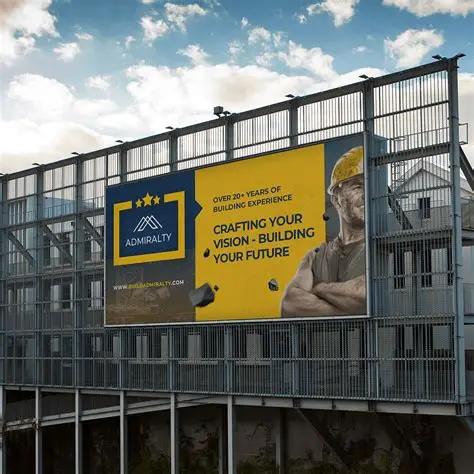
One of the most common questions advertisers ask when planning an outdoor campaign is how far in advance they need to book. Unlike digital ads, which can launch instantly, outdoor advertising requires lead time for availability, approvals, production, and installation. Booking too late can mean limited options, higher costs, or missed campaign windows.
This article explains how far in advance you need to book outdoor advertising, what factors affect timelines, and how to plan efficiently for different outdoor formats.
Why Advance Booking Matters in Outdoor Advertising
Outdoor advertising inventory is:
-
Limited
-
Location-specific
-
Often booked months in advance
Unlike online ads, outdoor placements cannot be duplicated endlessly. Once a location is booked, it’s unavailable to others for that period.
Typical Booking Timelines by Outdoor Advertising Format
Different outdoor formats require different planning horizons. Understanding these timelines helps avoid surprises.
Static Billboards
Recommended Booking Time
4–12 weeks in advance is standard.
Why Static Billboards Require Advance Booking
Static billboards involve:
-
Limited physical inventory
-
Printing and production time
-
Installation scheduling
High-demand locations can sell out quickly.
High-Demand Periods
Book earlier during:
-
Holiday seasons
-
Election cycles
-
Major events
-
Peak retail periods
In some markets, premium locations are booked months ahead.
Digital Billboards (DOOH)
Recommended Booking Time
1–4 weeks in advance, sometimes less.
Why DOOH Is More Flexible
Digital billboards:
-
Rotate multiple advertisers
-
Don’t require printing
-
Can be updated remotely
This allows for shorter lead times.
When to Book Earlier for DOOH
Book earlier if:
-
You want specific time slots
-
You need exclusive ownership
-
The market has limited digital inventory
Transit Advertising
Recommended Booking Time
4–8 weeks in advance.
Factors Affecting Transit Timelines
Transit advertising depends on:
-
Transit authority approvals
-
Vehicle availability
-
Production and installation schedules
Some transit systems have fixed posting cycles.
Street Furniture Advertising
Recommended Booking Time
3–6 weeks in advance.
Why Street Furniture Requires Planning
Street furniture ads:
-
Are managed through municipal contracts
-
Have strict posting schedules
Availability can be limited in dense urban areas.
Posters and Wallscapes
Recommended Booking Time
3–6 weeks in advance.
Considerations
Large-format wallscapes may require:
-
Property owner approvals
-
Structural checks
These steps add time.
Airport Advertising
Recommended Booking Time
2–6 months in advance.
Why Airport Ads Take Longer
Airports involve:
-
Security approvals
-
Long-term contracts
-
Premium demand
Late bookings limit placement options.
Factors That Influence How Early You Should Book
Location Demand
High-traffic locations:
-
Sell out faster
-
Require earlier commitments
Major cities typically need longer lead times.
Campaign Duration
Longer campaigns:
-
Require more inventory commitment
-
Are harder to fit last-minute
Short campaigns may find limited availability.
Time of Year
Peak seasons include:
-
Holidays
-
Summer travel months
-
Back-to-school periods
Book earlier during these times.
Regulatory Approvals
Some formats require:
-
Permit confirmations
-
Content approvals
These add days or weeks to timelines.
Creative Production Requirements
Printing Timelines
Static outdoor ads require:
-
Design finalization
-
Printing
-
Shipping
Printing alone can take 7–14 days.
Installation Schedules
Installations depend on:
-
Weather
-
Crew availability
-
Safety regulations
Delays can occur without buffer time.
Creative Approval Cycles
Transit and airport ads often require:
-
Content review
-
Brand or compliance checks
Revisions add time.
What Happens If You Book Too Late?
Late bookings can result in:
-
Limited or poor locations
-
Higher prices
-
Shortened campaign duration
-
Missed promotional windows
Last-minute planning reduces effectiveness.
Can Outdoor Advertising Ever Be Booked Quickly?
Yes—but with limitations.
Fastest Booking Scenarios
Outdoor advertising can be booked quickly when:
-
Using digital OOH
-
Accepting flexible locations
-
Running short campaigns
In some cases, DOOH campaigns can launch in days.
Trade-Offs of Last-Minute Bookings
Quick launches may mean:
-
Lower-quality locations
-
Reduced reach
-
Less optimal timing
Speed comes at a cost.
How Far Ahead Should Different Advertisers Plan?
Small Businesses
Small businesses should plan:
-
3–6 weeks in advance
This allows:
-
Location selection
-
Budget control
-
Proper creative development
Regional Brands
Regional campaigns should plan:
-
6–10 weeks in advance
Especially when using multiple locations.
National Brands
National campaigns often plan:
-
3–6 months in advance
Coordination across markets requires longer timelines.
Special Campaign Types and Booking Timelines
Product Launches
Launch campaigns require:
-
Precise timing
-
Maximum visibility
Book at least 2–3 months in advance.
Event Promotion
Event ads must align with:
-
Event dates
-
Ticket sales windows
Earlier booking ensures consistency.
Political Advertising
Political campaigns often:
-
Book inventory far in advance
-
Displace commercial advertisers
Early planning is essential during election years.
Seasonal Promotions
Holiday or seasonal campaigns should:
-
Be booked before peak demand
Waiting increases competition and cost.
The Role of Media Owners and Agencies
Media Owners
Media owners:
-
Manage availability
-
Handle permits
-
Schedule installations
They can advise on realistic timelines.
Agencies
Agencies help:
-
Secure inventory early
-
Coordinate production
-
Manage multiple markets
They reduce planning complexity.
How to Plan an Outdoor Advertising Timeline
Step 1: Define Campaign Dates
Start with:
-
Launch date
-
End date
Work backward from there.
Step 2: Choose Formats and Locations
Availability varies by format and location.
Step 3: Finalize Creative Early
Avoid delays by:
-
Locking creative early
-
Preparing multiple versions if needed
Step 4: Allow Buffer Time
Build in buffer for:
-
Printing delays
-
Weather issues
-
Approval revisions
Contingency planning prevents stress.
Step 5: Confirm Installation Dates
Ensure ads go live as scheduled.
Booking Flexibility vs Certainty
Early Booking Advantages
Booking early provides:
-
Best locations
-
Predictable pricing
-
Time for optimization
Late Booking Flexibility
Late bookings offer:
-
Faster launches
-
Short-term opportunities
But less control.
Digital OOH Changes the Timeline—but Not the Need to Plan
While DOOH allows faster execution, strategic planning is still required to:
-
Choose optimal screens
-
Align with audience behavior
-
Coordinate messaging
Technology reduces friction, not the need for strategy.
Final Thoughts
Outdoor advertising requires more advance planning than digital advertising, but the payoff is consistency, visibility, and impact. In most cases, advertisers should plan several weeks to several months ahead, depending on format, location, and seasonality.
Booking early ensures access to high-quality placements, smoother execution, and stronger campaign performance. While digital OOH has increased flexibility, advance planning remains a key factor in successful outdoor advertising campaigns.
- Arts
- Business
- Computers
- Spellen
- Health
- Home
- Kids and Teens
- Money
- News
- Personal Development
- Recreation
- Regional
- Reference
- Science
- Shopping
- Society
- Sports
- Бизнес
- Деньги
- Дом
- Досуг
- Здоровье
- Игры
- Искусство
- Источники информации
- Компьютеры
- Личное развитие
- Наука
- Новости и СМИ
- Общество
- Покупки
- Спорт
- Страны и регионы
- World

 English
 Russian
 French
 Spanish
 Portuguese
 Deutsch
 Turkish
 Italiano
 Arabic
 Romaian
 Portuguese (Brazil)
 Greek
Greek