
How to manage time for goals?
The Architecture of Hours
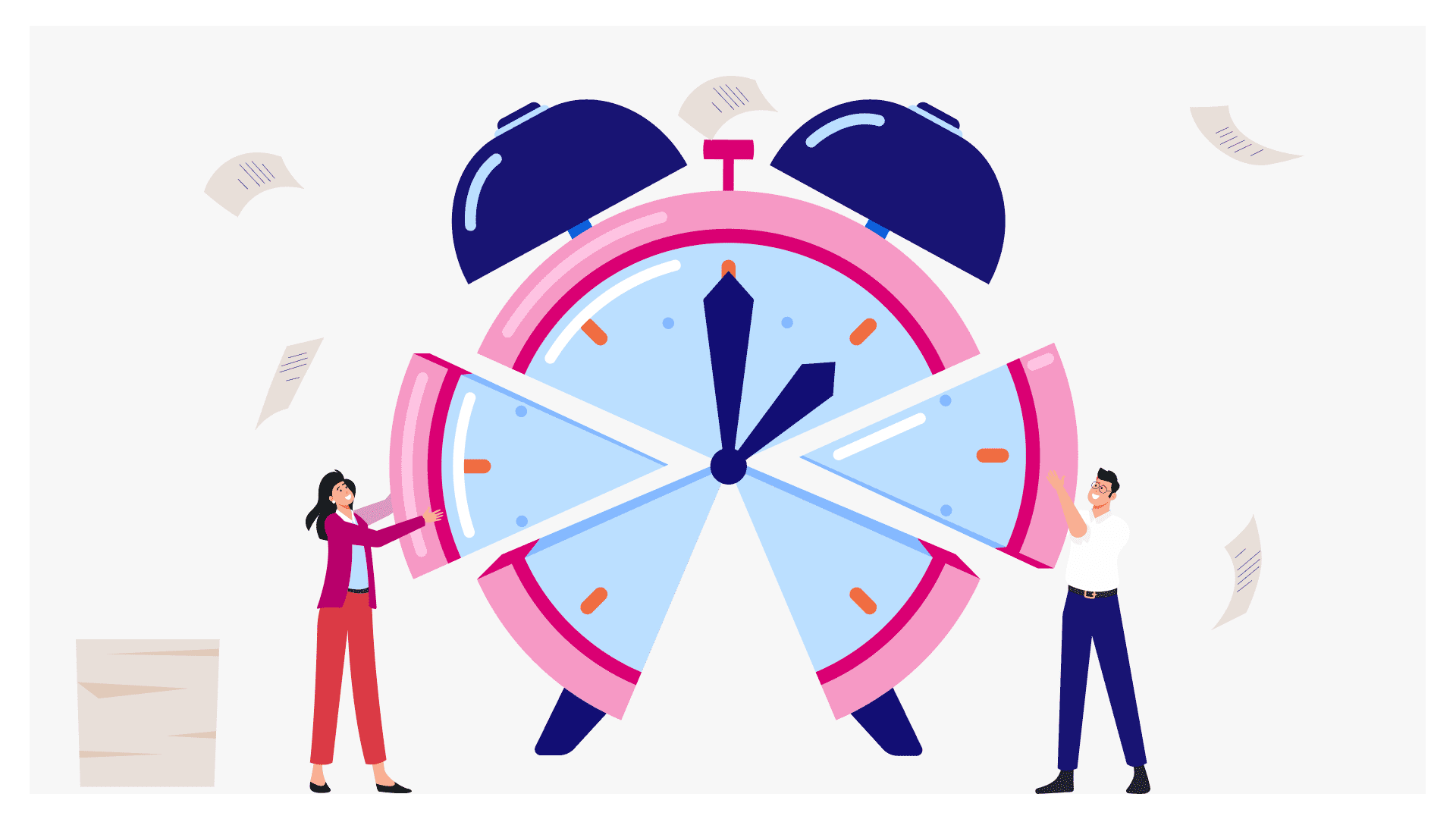
We treat time as a container to be packed, shoving tasks into every crevice until the seams begin to fray. We’ve been sold the lie of "time management," as if we could somehow bend the clock to our will. But time is indifferent. It doesn’t care about your deadlines, your "hustle," or your burnout. You cannot manage time; you can only manage the energy you bring to the hours you are given.
Managing time for your goals isn't about productivity hacks or finding the "perfect" app. It is an exercise in boundaries. It is about deciding what is sacred and what is sacrificial.
The Efficiency Trap
The great irony of modern life is that the faster we work, the more work we seem to generate. By becoming more efficient, we simply clear the deck for more trivialities to land. We are running on a treadmill that we ourselves are powering.
To break the cycle, we have to stop asking "How do I do more?" and start asking "What is worth doing?" Most of our time isn't stolen by major crises; it’s nibbled away by a thousand tiny, insignificant choices. We lose our lives in the "in-between."
The 1% Rule of Intent
I once spent a month tracking every fifteen-minute increment of my day. It was a sobering experience. I discovered that I wasn't "lacking time" for my goals; I was leaking time into the void of mindless scrolling and "prep-work" that never led to actual execution.
The lesson was simple: If you can’t find fifteen minutes for your goal, you don’t have a time problem—you have a value problem. We find time for what we truly value. The rest is just noise.
The Seasonal Rhythm: A Tactical Breakdown
Time management is often taught as a flat, daily grind. But humans are seasonal creatures. We have periods of high output and periods of necessary dormancy. Effective management requires aligning your goals with your biological and circumstantial rhythms.
| Time Horizon | Strategy | Purpose |
| The Deep Work Block | 90–120 Minutes | Intense, focused progress on a singular "North Star" goal. |
| The Buffer Zone | 30 Minutes | Transition time to process emails, admin, and the "entropy" of life. |
| The Reflection Peak | Weekly/Monthly | Auditing the past to refine the future; ensuring the ladder is against the right wall. |
The Art of the "Time Audit"
Before you can build a schedule, you must understand your current landscape. Most of us are "time-blind." We underestimate how long a task takes and overestimate our willpower.
The Inventory of the Day
For the next three days, don't change your behavior. Just observe it. Write down what you do and, more importantly, how you feel while doing it.
-
Green Time: High energy, high impact. (This is for your goals.)
-
Yellow Time: Low energy, high impact. (This is for chores and admin.)
-
Red Time: Low energy, low impact. (This is for rest or mindless consumption.)
If you are trying to work on your most ambitious goal during your "Red Time," you will fail. You are fighting your own chemistry. Move your goals to the Green.
The "No" as a Shield
Every "yes" you utter is a "no" to something else. When you say "yes" to an unnecessary meeting, you are saying "no" to your writing, your health, or your family.
We often struggle with time because we are too "nice" to protect it. We let other people's priorities dictate our schedules. But your time is your life. If you don't defend it, no one else will.
Practice the Radical "No"
Start small. Say no to one social obligation that drains you. Say no to one project that doesn't align with your North Star. Feel the discomfort of it. That discomfort is the sound of your freedom being reclaimed.
Conclusion: The Quiet Revolution
Managing time for your goals is not an act of aggression against the clock. It is an act of alignment. It is the quiet, daily revolution of choosing what matters over what is merely loud.
Don't look for more hours. Look for more focus. The goals you keep deferring to "tomorrow" are the only things that will matter when you look back at your year. Stop waiting for the perfect window of time to open. It won't. Take the messy, imperfect, thirty-minute block you have right now and use it.
The clock is always moving. The question is: are you moving with it, or are you just spinning?
- Arts
- Business
- Computers
- Giochi
- Health
- Home
- Kids and Teens
- Money
- News
- Personal Development
- Recreation
- Regional
- Reference
- Science
- Shopping
- Society
- Sports
- Бизнес
- Деньги
- Дом
- Досуг
- Здоровье
- Игры
- Искусство
- Источники информации
- Компьютеры
- Личное развитие
- Наука
- Новости и СМИ
- Общество
- Покупки
- Спорт
- Страны и регионы
- World

 English
 Russian
 French
 Spanish
 Portuguese
 Deutsch
 Turkish
 Dutch
Dutch
 Arabic
 Romaian
 Portuguese (Brazil)
 Greek
Greek